Why Does Telehandler Maximum Lifting Height Matter?

Time:2026-09-22 Author:Charlotte
0%

Why Does Telehandler Maximum Lifting Height Matter?

What is the maximum lifting height for a telehandler? The honest answer depends on the machine, boom design, attachment, and rated load. Compact telehandlers may lift around four metres. High-reach models can exceed thirty metres. However, height alone never tells the complete safety story.

Telehandler specialist Richard Gaskin explains, “Reach is only useful when the machine remains stable, controlled, and within its rated capacity.” This principle matters on real sites. A full load of bricks may feel manageable at ground level. At maximum reach, the same load can shift the machine’s centre of gravity. The operator must read the load chart, check the attachment rating, and confirm the ground condition.

Small details matter.

Uneven soil, a sloping yard, or a poorly positioned stabiliser can reduce practical lifting performance. Wind can also affect a raised load, especially when using buckets, platforms, or long materials. Manufacturers publish maximum figures under controlled conditions. Site conditions are rarely perfect.

That creates an important question for buyers and equipment managers. Is maximum height genuinely needed, or is it only attractive on a specification sheet? Choosing a machine with excessive reach may increase cost, transport demands, and operating complexity. Choosing too little reach can create delays and unsafe improvisation.

A better assessment considers height, load weight, forward reach, attachment type, and working space together. The number is useful. It is not the whole decision.
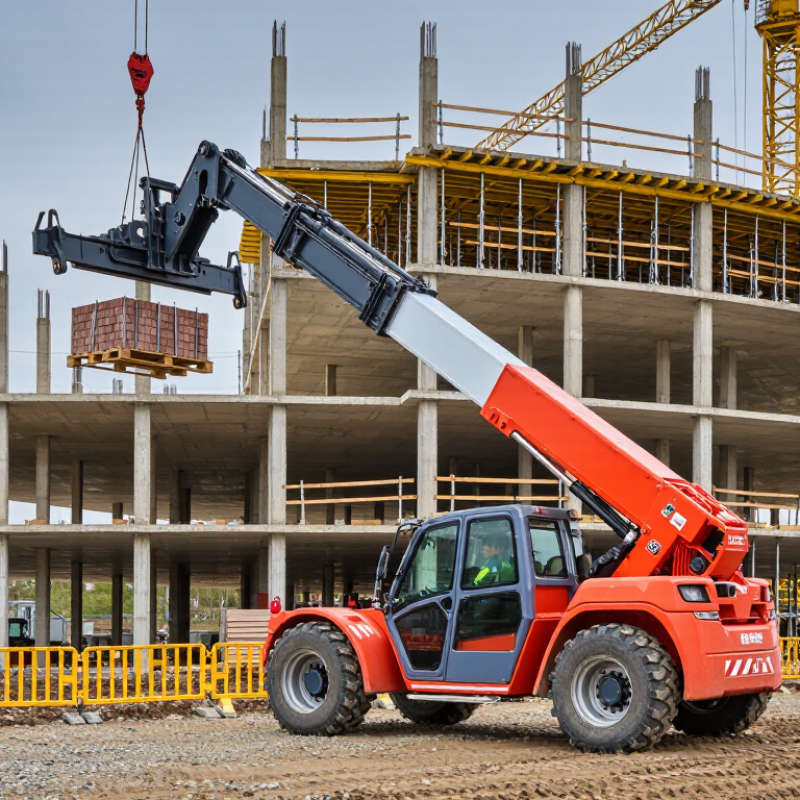
Why Does Telehandler Maximum Lifting Height Matter?

What Telehandler Maximum Lifting Height Means

What Telehandler Maximum Lifting Height Means

Telehandler maximum lifting height describes how high the machine can raise a load. It is usually measured from level ground to the fork carriage or attachment point. This figure helps determine whether the machine can reach a mezzanine, upper storage rack, or elevated work platform.

Height is not capacity. A telehandler may reach 18 metres, yet lift only a limited weight at that height. As the boom extends upward and forward, the load shifts farther from the machine’s centre of stability. The permitted capacity therefore decreases. Operators must read the manufacturer’s load chart for the exact boom angle, extension, attachment, and working position. Guesswork is unsafe.

Ground conditions also change the practical lifting height. Soft soil, a slope, or poorly positioned stabilisers can reduce safe performance. On site, I would check the load weight, dimensions, centre of gravity, and required landing point before choosing equipment. A compact load may fit the chart, while a wide or uneven load behaves differently in wind. That detail is easy to overlook. Read the chart. A careful operator also checks visibility, overhead clearance, and whether the attachment changes the rated capacity. Maximum height is a laboratory-style limit, not a promise that every load can reach it safely.

How Lifting Height Affects Jobsite Reach and Material Placement

Why Does Telehandler Maximum Lifting Height Matter?

Maximum lifting height directly affects jobsite reach, visibility, and material placement. A telehandler rated for a high lift may still have limited capacity near full extension. Load charts show how capacity changes with boom angle, forward reach, attachment type, and ground conditions. A pallet placed at the edge of a roof requires more than vertical height. It also demands sufficient forward reach and controlled stability.

This matters when placing bricks on upper floors, trusses beside a structure, or materials across uneven ground. A load that feels manageable near the machine can become unstable after the boom extends. Operators should check the exact load chart, not rely on the machine’s headline capacity. Small errors in pallet weight or center of gravity can change the result. Very quickly.

The U.S. Bureau of Labor Statistics reported 5,283 fatal work injuries in 2023, including 1,942 transportation-related incidents. The data is not telehandler-specific, but it highlights the wider risk around mobile equipment and material movement. OSHA guidance also emphasizes following rated capacities and maintaining stable operating conditions. A practical mistake is measuring only the required height. The better check includes reach, clearance, attachment weight, slope, and the final landing area. Real sites rarely match clean planning drawings. Weather, soft soil, and blocked sightlines can reduce usable reach before lifting begins.

Key Factors That Determine a Telehandler’s Maximum Height

A telehandler’s maximum lifting height is not determined by boom length alone. The boom angle, hydraulic geometry, and attachment design all affect the final reach. A longer boom may place loads higher, but it can reduce lifting capacity at full extension. This trade-off matters on construction sites, farms, and warehouse projects.

The load chart is the most reliable reference. It shows how weight, load centre, boom position, and ground conditions change safe lifting limits. A machine may reach a platform at 18 metres, yet lift only a light load there. A pallet weighing 1,000 kilograms could be manageable near the chassis but unsafe when fully extended. The attachment also matters. Forks, buckets, and work platforms alter the load centre and machine balance.

Ground strength and machine setup are easy to underestimate. Sloped, soft, or uneven surfaces can reduce practical height, even when the specification lists a higher figure. Stabiliser use, tyre condition, counterweight design, and hydraulic maintenance also influence performance. Operators should inspect the site, confirm the load chart, and keep the load controlled during boom movement. It is tempting to trust the maximum number. That can be a costly mistake. Real working height is often lower than the brochure figure.

How to Match Lifting Height With Different Work Requirements

Telehandler maximum lifting height matters because height changes usable capacity. A machine rated for 3,000 kg near ground level may lift much less at full reach. Load charts show this reduction clearly. They account for boom angle, load centre, attachment weight, and ground conditions.

Match the height to the actual task, not the tallest possible task. Pallet placement on low-rise structures may need 4–6 metres. Work on larger frames can require 8–12 metres or more. However, extra height often reduces stability and productivity. The 2024 UK HSE workplace fatality report recorded 51 construction-worker deaths in Great Britain. U.S. Bureau of Labor Statistics data recorded 1,075 construction fatalities in 2023, including 421 fall-related deaths. These figures are not telehandler-specific, but they show why elevated work deserves conservative planning. I would not treat catalogue height as a promise. Actual reach can change after rain, uneven ground, or a heavier attachment.

Tips: Measure the highest landing point, then check the load chart at that height and forward reach. Include pallet, attachment, and packaging weight. Keep a practical reserve, not just the minimum rated capacity. Ask the operator to test positioning before production begins. A small mistake here can become expensive. Reflect on the site after each lift; the first plan may be incomplete.

Safety Limits and Performance Considerations at Greater Heights

Why Does Telehandler Maximum Lifting Height Matter?

Safety Limits and Performance Considerations at Greater Heights

Maximum lifting height is not the same as safe lifting height. As the boom extends, the load moves farther from the telehandler’s center of stability. Capacity can drop sharply, even when the load remains below the rated maximum weight. The load chart must be checked at the exact boom angle, reach, attachment, and height. Guesswork has no place here.

Greater height also increases exposure to wind. A light breeze at ground level may feel stronger around a raised load. Wind can rotate a pallet, shift loose materials, or make placement difficult. Uneven ground creates another concern. Small slopes may become serious when the boom is fully extended. Outriggers, stabilizers, and tires must sit according to the operating instructions. Keep people outside the fall zone.

Performance changes as height increases. Hydraulic movements may feel slower, and visibility can become limited near the placement point. An operator may need a trained spotter and clear radio communication. The load should remain centered and secured before lifting. Stop if the machine leans, alarms activate, or the load swings unexpectedly. That sounds obvious, but pressure to finish can weaken good decisions. A clean inspection, accurate load weight, and realistic site assessment matter more than impressive reach. Maximum height is a technical limit, not a target for every lift.

FAQS

Why does maximum lifting height matter on a telehandler?

It affects how high and how far materials can be placed. Height alone is not enough.

Can a telehandler lift its rated load at maximum height?

Usually, capacity decreases near full boom extension. Check the load chart for the exact position.

Why is forward reach important when placing materials?

A roof-edge pallet needs both vertical height and horizontal reach. The load can become unstable as the boom extends.

What information should operators check before lifting?

Check load weight, load centre, boom angle, attachment weight, reach, and ground conditions. Small errors matter.

How do attachments affect lifting performance?

Forks, buckets, and platforms change the load centre and machine balance. The attachment may also reduce usable capacity.

Can uneven ground reduce practical lifting height?

Yes. Slopes, soft soil, and uneven surfaces can reduce stability and usable reach.

Is the brochure’s maximum height reliable for every job?

No. It describes a specification, not every working condition. Real sites have weather, obstacles, and poor visibility.

What could happen to a 1,000-kilogram pallet at full extension?

It may be manageable near the machine but unsafe when fully extended. The load chart must confirm the limit.

How should operators plan material placement near buildings?

Measure height, forward reach, clearance, and the final landing area. Drawings can miss blocked sightlines or soft ground.

What is an easy mistake during lifting preparation?

Measuring only the required height. That check is incomplete.

Conclusion

Telehandler maximum lifting height refers to the highest point a machine can safely raise a load while maintaining stability and control. The question “What is the maximum lifting height for a telehandler” does not have one universal answer, because height varies according to the machine’s design, boom length, load capacity, attachment, and operating conditions. Greater reach can help place materials on elevated platforms, upper floors, or high storage areas, but lifting height also affects the machine’s usable capacity and positioning requirements.

Choosing the right height depends on the specific job, including the required placement point, load weight, ground conditions, and available working space. Operators must always consider rated load charts, boom angle, attachment limits, visibility, and site hazards before lifting. As the boom extends higher or farther, stability and lifting performance may decrease, so loads should be handled carefully and within the manufacturer’s stated limits. Matching lifting height to the task improves efficiency while supporting safe, controlled material placement.

Charlotte

Charlotte

Charlotte is a seasoned marketing professional with a deep understanding of the company's portfolio and a passion for elevating its presence in the market. With a keen eye for detail and a commitment to excellence, she ensures that our professional blog is regularly updated with insightful articles......