What Is the Right Bucket Size for a Wheel Loader?

Time:2026-10-30 Author:Sophia
0%

Choosing a loader bucket is not a “bigger is better” decision. The right capacity depends on material density, machine lift limits, and the truck or hopper being loaded. Caterpillar’s Performance Handbook provides material-density and bucket-fill guidance, while ISO 7546 defines how loader bucket capacities are rated. These references help turn a guess into a defensible estimate. Small details matter.

How to choose the right bucket size for a wheel loader begins with the material. A cubic metre of damp soil weighs far more than a cubic metre of loose wood chips. Check the material’s approximate density, then compare the target payload with the loader’s rated operating capacity and bucket specifications. Keith Haddock, an earthmoving-equipment author, offers a useful principle, paraphrased here: “Match the bucket to the material and machine, not simply to maximum volume.” That distinction matters at the loading face. A bucket that looks ideal in a brochure may overload the machine, spill on uneven ground, or leave trucks underfilled. Measure a typical cycle, watch how the bucket fills, and reassess after changing materials. I would not treat any calculation as final without checking real operating conditions. Dust, moisture, operator technique, and short travel distances can change the result. The best size is the one that moves the intended payload safely and consistently—not the largest bucket the loader can carry.
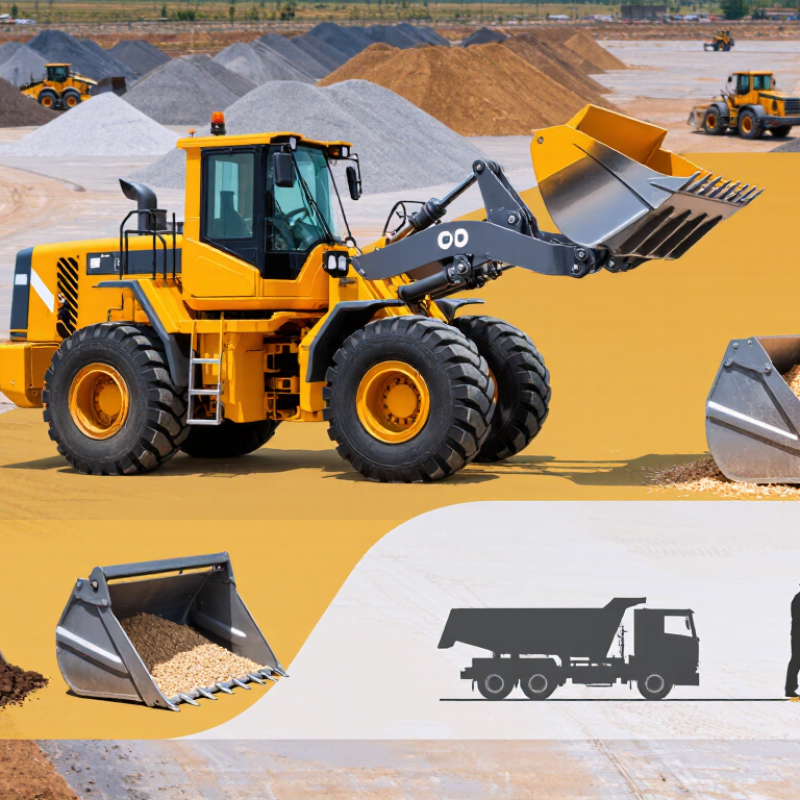
What Is the Right Bucket Size for a Wheel Loader?

Understanding Wheel Loader Bucket Size and Capacity

Wheel loader bucket size is not just a question of how much material fits. Capacity must suit the material, machine, and work cycle. A cubic metre of dry mulch weighs far less than a cubic metre of wet gravel. Using the same bucket for both can lead to inefficient loads or excessive strain.

Check whether the stated capacity is struck or heaped; heaped capacity includes material piled above the bucket’s edges. Then estimate the material’s density and typical fill level. A bucket may rarely fill completely when handling coarse rock. Small details matter. Compare the expected payload with the loader’s rated operating capacity and approved attachment information. A larger bucket can increase cycle volume, but it may also reduce stability, slow loading, or make it harder to work in a confined stockpile.

Consider the job site, too. Bucket width should clear the truck body or loading bay without unnecessary spillage. Match the bucket to the loader’s linkage and lift height, since these affect how it curls and carries a load. Keep a simple record of actual loads and cycle times during routine work. The figures may not match estimates perfectly, and that is useful feedback. Adjust the choice based on what the machine handles safely and consistently, not appearance alone.

What Is the Right Bucket Size for a Wheel Loader?

Estimated bucket capacity needed to carry a 2-tonne target payload at an assumed 85% bucket fill. Actual capacity depends on material density, moisture, bucket design, and the loader’s rated operating capacity.

Estimates use typical loose-material densities: topsoil 1.2 t/m³, sand 1.6 t/m³, gravel 1.8 t/m³, and crushed rock 2.0 t/m³. Choose a bucket that keeps the loaded machine within its rated limits; check actual material density and the loader’s specifications before selecting a bucket.

Identifying the Machine’s Rated Payload and Limits

A wheel loader’s bucket should be sized around the machine’s rated payload, not simply its width or advertised capacity. Check the operator’s manual and load chart for the rated load at the working height and reach you actually use. A rating can change as the boom rises or the load moves forward. Small details matter.

Compare that limit with the material’s weight, not just the bucket’s volume. A cubic yard of damp soil can weigh far more than the same volume of dry, loose material. Bucket shape, fill level, and material sticking to the floor also affect the load. Weigh a typical bucket when possible; estimates can be surprisingly wrong. Include the bucket and any other attachment when checking the machine’s limits.

A practical choice leaves room for uneven ground, sudden movement, and imperfect loading. If the bucket regularly reaches capacity before the loader reaches its rated payload, a larger bucket may suit light material—but only if the load chart supports it. If the rear tires feel light, steering becomes vague, or the front end dips during travel, stop and reassess. Those signs are not measuring tools. Use the load chart, keep loads low while moving, and verify the setup under real working conditions.

Matching Bucket Volume to Material Density

What Is the Right Bucket Size for a Wheel Loader?

Bucket volume alone does not determine a useful payload. Material density matters just as much. USDA’s Soil Quality Test Kit Guide describes roughly 1.0–1.6 Mg/m³ as a common bulk-density range for many mineral soils. At the same bucket volume, that range can mean a major difference in carried weight. Moisture and compaction shift the number, sometimes within the same worksite.

Estimate payload with a simple check: bucket volume × expected fill factor × loose material density. A 2.5 m³ bucket, filled to 90 percent, carrying soil at 1.6 Mg/m³, holds about 3.6 tonnes. That is an estimate, not a promise. SAE J742 provides a standardized method for measuring loader bucket capacity, but field conditions still decide how much material actually enters the bucket. Gravel may roll away from the cutting edge; damp clay can cling inside. Small details matter.

Choose a bucket that keeps the expected payload within the loader’s rated limits, including when the material is at its heaviest. Check density from site records or a representative sample, rather than relying on a generic chart. A tidy calculation can still miss wet pockets. Recheck after rain, and compare actual truck weights with estimates. If the bucket is routinely underfilled, the volume may be too large for the material or loading method. If the machine reaches its limit first, the bucket may be too demanding.

Accounting for Job Conditions and Bucket Design

Bucket size should follow the material and the job, not the loader’s appearance. ISO 7546 defines bucket volumetric ratings, including struck and heaped capacity, but neither figure guarantees a full working load. Moist, cohesive soil may cling to the corners; coarse, angular rock can leave large voids. That changes the payload.

The U.S. Geological Survey’s Mineral Commodity Summaries 2024 estimated U.S. construction sand and gravel production at about 960 million metric tons in 2023. That scale underscores how common aggregate handling is, but a national production figure cannot tell you a site’s material density. Measure the material you actually move. Estimate payload as bucket volume multiplied by loose bulk density and realistic fill factor, then check it against the loader’s rated operating capacity and the load at your usual lift height. A wide bucket may suit light, free-flowing material, yet increase digging resistance in compacted ground. Shorter cutting edges and well-matched side plates can matter as much as capacity. Test a few typical loads on a scale. The spreadsheet may still be wrong on a wet morning.

What Is the Right Bucket Size for a Wheel Loader? — Accounting for Job Conditions and Bucket Design

Use the table below as an initial sizing screen. The volume ranges estimate the bucket capacity needed to carry a 4-tonne target payload for the listed loose materials; actual selection depends on the loader’s rated capacity, attachment, and working conditions.

Illustrative Bucket Sizing Guide for Common Materials
Material and Typical Job Condition Approx. Loose Bulk Density
(tonnes/m³)
Indicative Fill Factor Estimated Bucket Capacity
for a 4-tonne Target Payload (m³)
Bucket Design and Selection Considerations
Dry sand
Stockpile loading or short-cycle loading
1.6–1.8 0.95–1.05 2.1–2.6 A general-purpose bucket is often suitable. Choose capacity near the lower end for a higher-density or damp material.
Gravel
Loose, graded aggregate
1.7–2.0 0.85–1.00 2.0–2.8 A reinforced general-purpose or aggregate bucket can suit routine loading. Consider abrasion-resistant edges for frequent handling.
Crushed rock
Quarry or aggregate-yard work
1.4–1.8 0.80–0.95 2.3–3.6 Use a rock-duty design when impact and abrasion are significant. Lower fill in coarse, angular material may require a larger geometric bucket, subject to payload limits.
Topsoil
Landscaping or general earthmoving
1.1–1.4 0.90–1.10 2.6–4.0 A larger general-purpose or light-material bucket may improve volume per pass. Wet or compacted topsoil can be substantially heavier.
Clay
Excavated or cohesive material
1.5–1.9 0.75–0.95 2.2–3.6 A bucket with suitable penetration and release characteristics can help with sticky material. Reduce volume if clay is wet or heavily compacted.
Wet soil
Moist, dense material after rain
1.8–2.1 0.75–0.90 2.1–3.0 Favor a smaller capacity when moisture is high. Reassess density at the site because water content can quickly increase payload.

How the estimate is calculated: Bucket capacity ≈ target payload ÷ (loose bulk density × fill factor). The figures are rounded planning estimates, not equipment specifications.

Before choosing a bucket: Confirm the loader’s rated operating capacity and tipping-load limits with its operating manual. Account for bucket and attachment weight, material moisture and grading, lift height, reach, ground slope, travel distance, and the desired cycle time.

Bucket capacity convention: Check whether the quoted capacity is heaped or struck and compare like with like. Actual fill depends on bucket shape, cutting edge, material behavior, and operator technique.

Checking Fit, Balance, and Safe Operation

A wheel loader bucket should match the machine, material, and working conditions—not just the desired capacity. Check the operator’s manual for approved bucket sizes and rated load limits. Then consider material density: a bucket of damp soil can weigh far more than the same volume of dry mulch. Width matters, too. A bucket wider than the tires may help clear a truck bed, but it can reduce visibility in tight areas. Small details matter.

Tips: Check the bucket’s weight and capacity against the loader’s limits. Look for cracks, loose teeth, and worn cutting edges. Test the setup on firm, level ground with a small load, and keep the bucket low while traveling. If the front tires feel unusually light, stop and reassess.

Fit is only part of safe operation. A full bucket held high can shift the loader’s balance, especially on uneven ground or while turning. Keep loads low, travel slowly, and avoid sharp turns on slopes. Watch the rear counterweight and allow room for it to swing. It is easy to assume that a larger bucket saves time; that assumption deserves a second look. A smaller, well-matched bucket may offer steadier control and clearer sightlines. Recheck the setup when materials or ground conditions change.

FAQS

How should I choose a wheel loader bucket size?

Start with the loader’s rated payload and load chart. Match the bucket to the working height and reach you actually use. Bigger is not always better.

Why does material weight matter more than bucket volume?

Damp soil can weigh much more than dry, loose material in the same bucket. Sticking material and uneven filling also change the load. Small details matter.

How can I estimate a bucket’s working payload?

Multiply bucket volume by the material’s loose bulk density and a realistic fill factor. Then compare the estimate with the loader’s rated capacity. A scale gives a better check.

Do struck and heaped capacity figures guarantee a full load?

No. They describe bucket volume, not the weight the loader can safely carry. Wet soil may cling to corners, while coarse rock leaves air gaps.

Should I include the bucket’s weight when checking limits?

Yes. Include the bucket and any other attachment when checking the machine’s limits. The attachment takes part of the available payload.

Can a wider bucket cause problems?

It may help clear a truck bed, but can reduce visibility in tight areas. In compacted ground, extra width can also increase digging resistance.

What signs mean I should stop and reassess?

Watch for light-feeling rear tires, vague steering, or the front end dipping during travel. These signs are warnings, not measuring tools. Check the load chart.

How should I test a new bucket setup?

Check for cracks, loose teeth, and worn cutting edges. Test a small load on firm, level ground, and keep the bucket low while traveling. Recheck conditions when the material or ground changes. My estimate may still miss a wet morning.

Conclusion

Choosing the right bucket size for a wheel loader means balancing capacity, material weight, machine limits, and the demands of the job. Start by understanding the bucket’s rated volume and the loader’s rated payload, including any limits that affect safe lifting and travel. A larger bucket is not always more productive: dense materials can reach the machine’s payload limit before the bucket is full, while lighter materials may require more volume to use the loader efficiently. How to choose the right bucket size for a wheel loader depends on matching bucket capacity to both the material and the machine.

Also consider site conditions and bucket design. Hauling distance, ground conditions, loading height, and the type of material can influence which bucket works best. Check that the bucket fits the loader, supports stable handling, and allows clear visibility. The right choice should help maintain balance and control while meeting the task’s capacity needs, rather than simply maximizing bucket size.

Sophia

Sophia

Sophia is a dedicated marketing professional with an exceptional depth of knowledge about her company's products and services. With a keen understanding of market trends and customer needs, she crafts insightful blog posts that not only inform but also engage readers, enriching the company’s online......