Top Reasons to Switch from Diesel to Electric Forklifts?

Time:2026-05-31 Author:Madeline
0%

As industries evolve, the choice of equipment plays a vital role in operational efficiency. One common question arises: why should I switch from diesel to electric forklifts? This transition offers numerous benefits that can significantly impact productivity and cost management.

Electric forklifts are known for their lower operating costs. They consume less energy and require less maintenance compared to their diesel counterparts. This means fewer repairs and longer service life, making them a smart investment. Additionally, electric models produce no emissions, contributing to a cleaner workplace.

However, the switch is not without challenges. Some operators may hesitate due to the initial purchase costs or range limitations. Yet, the long-term savings often outweigh these concerns. The data supports this. Companies that embrace electric forklifts frequently report higher satisfaction levels and improved performance. Making the switch can feel daunting, but the advantages are compelling and hard to ignore.
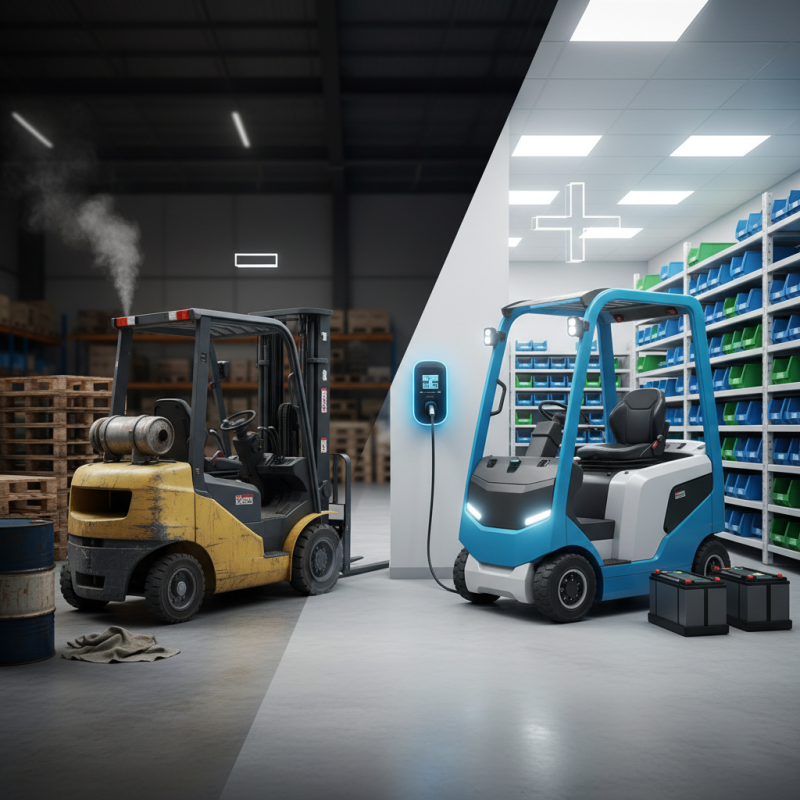
Top Reasons to Switch from Diesel to Electric Forklifts?

Benefits of Electric Forklifts Over Diesel Forklifts

Electric forklifts are becoming popular for many businesses. They offer several benefits over traditional diesel forklifts. One major advantage is reduced emissions. Electric models contribute to better air quality in warehouses. This is essential for employee health and safety. Many organizations prioritize sustainability, and electric forklifts align perfectly with this goal.

Operating costs are another area where electric forklifts shine. They typically have lower maintenance needs. Electric motors are simpler than diesel engines. This can lead to fewer repairs and lower downtime. Battery charging is more predictable than refueling with diesel too. Many businesses notice significant savings in fuel costs over time.

**Tips:** Consider the work environment when choosing a forklift. Electric forklifts excel in indoor facilities. Evaluate your space and charging options. Always assess the total cost of ownership, not just the purchase price. Making informed decisions about forklift types can greatly impact long-term productivity.

Top Reasons to Switch from Diesel to Electric Forklifts

Benefits Electric Forklifts Diesel Forklifts
Environmental Impact Zero emissions, quieter operations High emissions, noise pollution
Operating Costs Lower energy costs, less maintenance Higher fuel and maintenance costs
Battery Lifespan Long-lasting batteries with quick charging options Limited refueling time; fuel quality affects performance
Safety Less dangerous in confined spaces, lower fire risk Higher risks with fuel leaks and emissions
Workplace Efficiency Faster operation with less downtime Frequent refueling and downtime for maintenance
Government Incentives Potential tax credits and rebates for electric vehicles Limited incentives for diesel equipment

Cost Savings from Lower Operating Expenses

Electric forklifts present significant cost savings compared to diesel models. The lower operating expenses associated with electric forklifts are notable. For instance, electricity is generally less expensive than diesel. Additionally, electric units require less maintenance, resulting in lower repair costs over time. This can lead to substantial financial benefits for businesses seeking to improve their bottom line.

Tips: While making the switch, consider the charging infrastructure. Assess your facility’s power availability to support electric forklifts. Another important factor is employee training. Proper training ensures that your team can effectively use electric models, maximizing efficiency and safety in your operations.

Electric forklifts also contribute to reduced environmental impact. They produce zero emissions during operation. This is becoming a concern for many companies, pushing them towards more sustainable practices. However, initial investments can be high. Companies should weigh this against long-term savings. Consider the longevity of the equipment and its reliability over time when evaluating costs.

Environmental Impact: Reducing Carbon Footprint

Switching to electric forklifts significantly benefits the environment. These machines produce zero emissions during operation. Diesel forklifts, on the other hand, release harmful pollutants. This transition helps companies lower their carbon footprint. Reducing air pollution improves health for workers and nearby communities. Cleaner air can lead to fewer respiratory illnesses over time.

Electric forklifts also use less energy than diesel models. Their efficiency reduces overall energy costs. Companies can implement renewable energy sources to charge electric forklifts, further minimizing their environmental impact. However, the initial investment in electric machinery can be a concern. Long-term savings and sustainability, however, often outweigh the upfront costs.

The shift to electric isn’t just a trend; it’s an ethical choice. Businesses show their commitment to sustainability. However, this transition requires careful planning and training for staff. Some organizations might struggle with the change. Reflecting on these challenges can help ensure a successful shift. Embracing electric forklifts is not just about technology—it's about responsibility toward the planet.

Enhanced Performance and Efficiency of Electric Models

Electric forklifts are increasingly recognized for their superior performance and efficiency. Research indicates that electric models can achieve up to 30% lower operational costs compared to their diesel counterparts. This is largely due to their reduced maintenance requirements. Electric forklifts have fewer moving parts, which means they need less frequent repairs. According to industry reports, businesses can save thousands annually by switching to electric.

The energy efficiency of electric forklifts is another compelling reason to make the switch. On average, electric models convert about 90% of the energy from the battery into lift capacity. In contrast, diesel forklifts typically only manage around 40-50%. This disparity results in reduced energy consumption and lower emissions, making electric forklifts a more sustainable choice. Additionally, studies show that electric forklifts emit zero exhaust fumes, improving air quality in warehouses and manufacturing environments.

However, the transition to electric forklifts is not without challenges. Initial acquisition costs can be higher than diesel options. Organizations may need to invest in charging infrastructure. Furthermore, the reliance on battery technology means companies must consider battery lifespan and eventual replacement costs. Understanding these factors is crucial for a successful transition.

Safety and Maintenance Considerations for Electric Forklifts

Electric forklifts offer significant safety advantages over their diesel counterparts. According to the National Institute for Occupational Safety and Health (NIOSH), electric forklifts contribute to a 60% reduction in accidents in warehouses. The absence of carbon emissions decreases health risks for workers, especially in enclosed environments. Electric models do not produce harmful exhaust fumes, which improves air quality and promotes employee well-being.

Maintenance considerations also favor electric forklifts. A report from the Forklift Association indicates that electric versions require up to 50% less maintenance than diesel models. They have fewer moving parts, which results in decreased wear and tear. Battery maintenance remains a concern, but regular checks can mitigate risks. Moreover, operators need training to maximize battery life. This can seem overwhelming, but the benefits far outweigh the challenges. Transitioning to electric forklifts could lead to long-term cost savings.

The initial investment may be higher, yet operational efficiencies can validate this choice. It's crucial to assess specific operational needs. Electric forklifts may not be suitable for all applications, particularly those requiring high-intensity lifting for extended periods. Nonetheless, their safety and maintenance benefits warrant serious consideration.

FAQS

: What are the environmental benefits of electric forklifts?

: Electric forklifts produce zero emissions, improving air quality. They help reduce carbon footprints and lower health risks.

How do electric forklifts compare in efficiency?

Electric models use about 90% of battery energy for lifting. Diesel forklifts only utilize around 40-50% of their energy.

What are the maintenance advantages of electric forklifts?

They require 50% less maintenance than diesel models. Fewer moving parts mean lower repair frequencies and costs.

Are there safety benefits to using electric forklifts?

Yes, electric forklifts can reduce warehouse accidents by 60%. They emit no harmful fumes, promoting safer work environments.

What challenges come with switching to electric forklifts?

Higher initial costs and the need for charging infrastructure can be challenges. Battery lifespan and replacement must be considered too.

How can companies offset the initial costs of electric forklifts?

Long-term savings from lower maintenance and energy efficiency can justify the upfront investment. Planning is key.

Do electric forklifts require special training?

Yes, operators need training for battery maintenance. This may seem overwhelming but is necessary for maximizing lifespan.

Are electric forklifts suitable for all operations?

They may not be ideal for high-intensity, long-duration lifting tasks. Assessing specific needs is crucial.

What motivates businesses to choose electric forklifts?

The shift signifies a commitment to sustainability and environmental responsibility. It’s not just about technology; it’s about ethics.

Is transitioning to electric forklifts easy for all companies?

Some organizations may struggle with the change. Reflecting on challenges can help in planning a successful transition.

Conclusion

Switching from diesel to electric forklifts offers numerous advantages that warrant consideration. One of the primary reasons is the significant cost savings associated with lower operating expenses. Electric forklifts typically have reduced fuel and maintenance costs, making them a more economical choice over time. Additionally, the environmental impact of electric models is considerably positive, as they help reduce carbon footprints, aligning with sustainability goals.

Another compelling reason to make the switch is the enhanced performance and efficiency of electric forklifts. These models deliver smoother operation and greater maneuverability, which can lead to increased productivity in warehouse settings. Furthermore, electric forklifts are generally safer due to fewer emissions and less noise, contributing to a healthier work environment. Overall, these factors collectively answer the question, "Why should I switch from diesel to electric forklifts?" by highlighting the benefits in cost, efficiency, and environmental stewardship.

Madeline

Madeline

Madeline is a dedicated marketing professional with a wealth of expertise in our company's core offerings. With a keen understanding of the industry, she brings a unique perspective to her role, consistently delivering high-quality content that highlights the superior aspects of our products. As......