Forklift safety inspections are vital in preventing workplace accidents. As industry expert John Smith, a safety consultant with over 20 years of experience, states, "Regular inspections create a culture of safety." His insights highlight the importance of following proper protocols. Knowing how to pass a forklift safety inspection can lead to better compliance and safer operations.
Every inspection should cover essential areas such as brakes, lights, and forks. These checks ensure that the forklift operates efficiently. It's crucial to track maintenance history and repair any issues promptly. While some may neglect the details, overlooking minor problems can lead to major consequences.
Employees must engage in regular training and understand the inspection criteria. This knowledge empowers them to spot potential hazards. Ultimately, learning how to pass a forklift safety inspection strengthens a team’s dedication to safety. Reflecting on past incidents can foster an even greater resolve to prioritize safety measures during inspections.
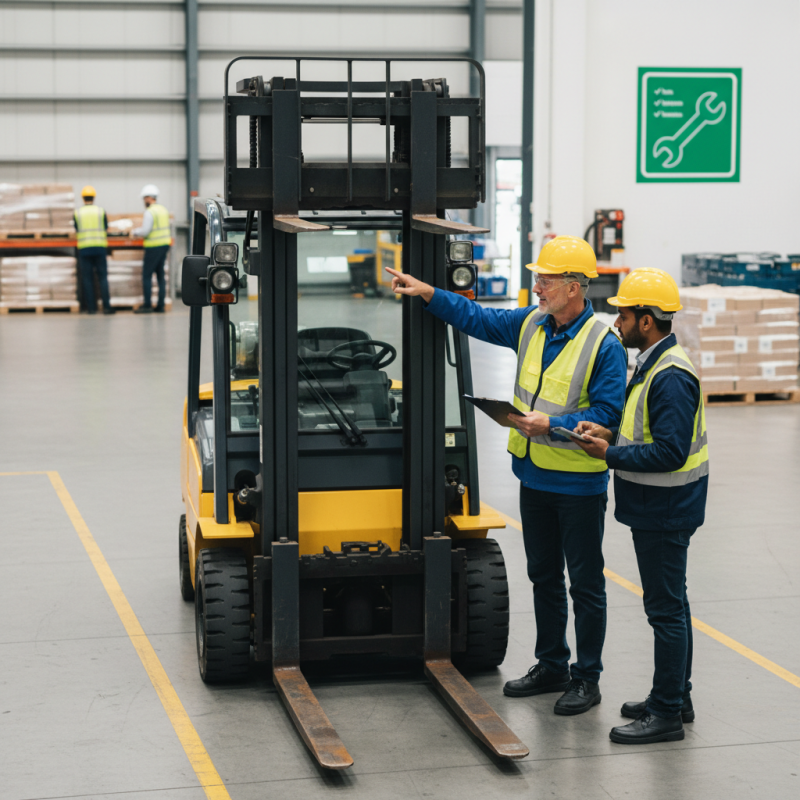
Understanding Forklift Safety Inspections: Key Concepts
Understanding forklift safety inspections is crucial for any operation using these machines. Inspectors focus on specific areas, such as brakes, lights, and tires. Each component plays a vital role in ensuring safety. A comprehensive checklist is often used to evaluate performance, creating accountability for operators. Regular inspections can prevent costly accidents.
When preparing for an inspection, understanding potential faults is essential. Operators may overlook minor issues, believing they are inconsequential. For example, a small tire problem can lead to larger safety risks. Each deficiency should be adequately documented. Being prepared means knowing how to listen to your forklift. Unusual noises or behaviors may indicate the need for repairs.
Training and education should be prioritized for all operators. New personnel may lack experience, leading to mistakes. Continuous learning keeps safety at the forefront. Regular workshops can highlight common issues and their solutions, ensuring everyone is informed. All these components contribute to a safer working environment, encouraging vigilance and communication among staff.
Preparing for a Forklift Safety Inspection: A Step-by-Step Guide
Preparing for a forklift safety inspection requires careful planning and attention to detail. According to the Occupational Safety and Health Administration (OSHA), a staggering 11% of all forklifts are involved in accidents. To avoid these incidents, operators should conduct thorough pre-inspection checks. This includes evaluating the forklift's brakes, steering, and lights. A quick check can reveal potential issues. Operators should keep a checklist handy to ensure nothing is overlooked.
Training is equally essential. Operators must be well-trained to recognize deficiencies in equipment. Statistics show that effective training can reduce accident rates by up to 70%. Training sessions should be hands-on and practical. Offer simulations to reinforce learning. It's important to address past inspection failures. Reflecting on these can provide vital lessons for future inspections. Create a culture where safety is a continuous dialogue, rather than a box to check.
Daily inspections should cover basic elements such as fluids, tires, and safety features. Operators should document their findings and report any issues immediately. Data from industry reports suggest that over 30% of safety violations stem from inadequate inspections. Mistakes can be costly—not just financially, but in terms of workforce safety and morale. Implementing a consistent inspection routine fosters accountability and enhances overall operational safety.
Forklift Safety Inspection: Key Areas of Evaluation
Conducting a Pre-Inspection Checklist: Essential Safety Measures
When preparing for a forklift safety inspection, conducting a pre-inspection checklist is crucial. This checklist ensures all essential safety measures are followed. Start by checking the forklift's physical condition. Look for any leaks, damaged forks, or frayed chains. Even minor issues can lead to significant problems during operation.
Another key component is verifying the operational controls. Ensure that the horn, lights, and backup alarms function correctly. Take a moment to inspect the forks for proper alignment. Are they straight and free of cracks? These small details are often overlooked but can be critical.
Incorporate a tire inspection into your routine as well. Ensure tires are properly inflated and free from excessive wear. If you notice any discrepancies, they need to be addressed immediately. This should be a habitual practice. Making the pre-inspection checklist a routine part of your day can foster better workplace safety and efficiency. Frequent reflections on this process can lead to improvements and increased awareness among your team.
How to Pass a Forklift Safety Inspection Easily? - Conducting a Pre-Inspection Checklist: Essential Safety Measures
| Inspection Item |
Description |
Frequency |
Status |
| Forklift Operational Check |
Check all controls, lights, and operational functions |
Daily |
Pass |
| Fluid Levels |
Inspect engine oil, hydraulic fluid, and coolant levels |
Weekly |
Pass |
| Tires Condition |
Check for proper air pressure and wear |
Monthly |
Pass |
| Safety Equipment |
Ensure seat belts, lights, and horns are functioning |
Daily |
Pass |
| Emergency Features |
Test emergency brakes and lights |
Monthly |
Pass |
Common Issues Found During Forklift Inspections and Their Solutions
Forklift inspections are crucial for workplace safety. Common issues during these inspections often include malfunctioning lights, worn tires, and uncalibrated lifting equipment. According to a report by the Occupational Safety and Health Administration (OSHA), improper maintenance leads to 70% of forklift accidents. Such statistics emphasize the importance of regular checks and timely interventions.
One frequent problem observed is fluid leaks. These can lead to hazardous working conditions. Inspecting for leaks should be a routine part of any safety checklist. Additionally, ensure that safety devices, like seat belts and alarms, are operational. This adherence safeguards operators and nearby workers.
Tip: Schedule inspections more often if issues persist. Document all findings during inspections. This approach fosters accountability and may highlight recurring problems. Always keep a record of repairs and maintenance done on each forklift to enhance safety over time. Regular inspections can prevent costly accidents and ensure compliance with safety regulations.
Tips for Maintaining Compliance and Safety Standards Regularly
Maintaining compliance and safety standards for forklift operations is crucial. Regularly inspecting your equipment can prevent accidents and ensure a safer work environment. Here are some tips to help you stay compliant.
Perform daily checks on your forklift. Look for any visible damage or leaks. Check fluid levels and inspect the battery. Simple tasks can make a big difference.
Keep a log of these maintenance checks. Documentation is essential for safety audits. It shows accountability and a commitment to safety.
Additionally, train your operators frequently. Knowledgeable staff are more likely to adhere to safety protocols. Conduct refresher courses to address past mistakes or gaps in understanding.
Encourage open discussions about safety challenges. Gather feedback from your operators regularly to improve overall practices. Staying engaged with your team fosters a culture of safety.
Conclusion
The article "How to Pass a Forklift Safety Inspection Easily" provides a comprehensive guide for ensuring compliance with safety standards during forklift operations. It begins by outlining the key concepts behind forklift safety inspections, emphasizing their importance in maintaining workplace safety. The preparation phase is detailed with a step-by-step guide that helps operators get ready for inspections, ensuring that all necessary documents and equipment are in place.
Furthermore, the article highlights the significance of conducting a pre-inspection checklist, detailing essential safety measures to be taken. It identifies common issues that may arise during forklift inspections and offers practical solutions to address these problems. Finally, the article provides tips for maintaining safety compliance and standards regularly, ensuring that operators understand how to pass a forklift safety inspection with confidence and ease.

 Neto Forklifts