Winter conditions can be harsh, especially for mini excavators. As temperatures drop, these machines face unique challenges. Knowing how to maintain a mini excavator in winter conditions is essential for optimal performance and longevity.
Cold weather can impact engine efficiency and hydraulic systems. Ice and snow can create hazards that damage equipment. Regular maintenance practices become vital during the winter months. Preparing your mini excavator for the chill can save time and money on repairs.
Understanding the specifics of winter maintenance can enhance reliability. Checking fluids, inspecting tracks, and ensuring proper battery health are key steps. While many operators dread this seasonal task, it is critical for keeping equipment in working order. Failing to address these factors could lead to unexpected breakdowns or safety issues.
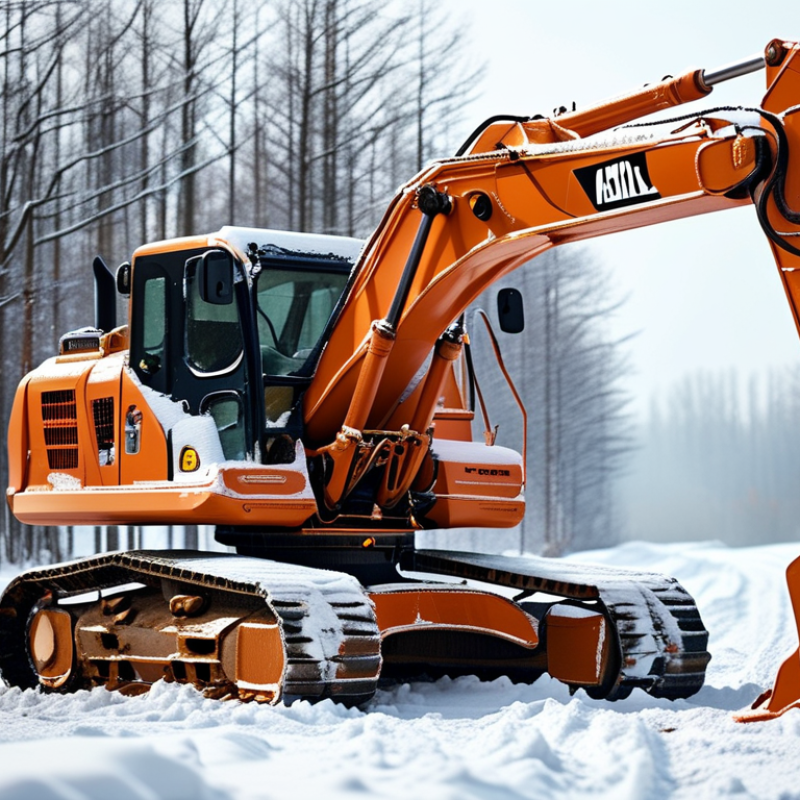
Winter can be harsh on mini excavators. The cold temperatures can affect engine performance and hydraulic fluids. When temperatures drop, these fluids may thicken. This thickening can lead to sluggish operation. Operators might notice slower movements and reduced power. Additionally, battery performance decreases in low temperatures. A weak battery can hinder starting the machine.
Operators should inspect their equipment regularly during winter. Check the coolant and fuel levels. Using anti-gel additives in diesel can help maintain flow. Furthermore, ensure that the hydraulic fluids are suitable for cold weather. Regularly cleaning the undercarriage is essential. Snow and ice can accumulate, causing potential damage. Slippery conditions might even lead to accidents.
Using proper attachments designed for winter can also enhance performance. These tools can help navigate snow and ice effectively. Frequent maintenance becomes crucial in winter months. Failure to address issues promptly can cause costly repairs. A little extra care can make a big difference. Understanding these winter challenges ensures smoother operations.
Winter can be tough on mini excavators. Cold weather brings unique challenges that can affect performance. Proper maintenance is essential to keep your machine running smoothly. Here are some essential tips.
Make sure to check the battery regularly. Cold temperatures can drain battery life. Clean the terminals to prevent corrosion. Consider investing in a battery blanket for extra warmth. It can help your excavator start more reliably.
Fluid levels are another critical area. Check engine oil, hydraulic fluid, and coolant. Cold weather can thicken fluids, affecting performance. Using winter-grade oils can improve viscosity. This helps maintain optimal performance in freezing temperatures.
Keep an eye on rubber tracks and tires. Cold weather can make them brittle. Inspect for any signs of cracking or damage. Grit and snow buildup can cause further wear. Regular cleaning is necessary to extend their lifespan. Be mindful of how winter conditions affect your machine’s performance.
| Maintenance Tip | Description | Frequency | Importance Level |
|---|---|---|---|
| Check Engine Fluids | Ensure that oil, coolant, and hydraulic fluids are at proper levels and suitable for low temperatures. | Before each use | High |
| Inspect Battery | Check battery terminals for corrosion and ensure the battery is fully charged. | Weekly | High |
| Clean Tracks and Undercarriage | Remove snow and ice from tracks to prevent rust and ensure optimal movement. | After each use | Medium |
| Use Anti-Freeze Solutions | Incorporate anti-freeze into the coolant system to prevent freezing. | Before winter season | High |
| Inspect Hydraulic Hoses | Check for cracks or leaks that can worsen in cold temperatures. | Monthly | Medium |
| Keep the Fuel Tank Full | Prevent condensation and possible freezing of fuel by keeping the tank filled. | Always | High |
Keeping your mini excavator running efficiently in winter demands the right fluids and oils. As temperatures drop, using proper lubricants becomes essential. They help prevent engine wear and ensure smooth operation. It's crucial to choose fluids designed for cold weather. This prevents issues like thickening and reduces the risk of breakdown.
When selecting engine oil, consider the viscosity grade. Oils with a lower viscosity are optimal for winter, allowing better flow. Look for oils labeled as "winter-grade." These formulations withstand cold temperatures while providing adequate lubrication. Diesel fuel should also have anti-gel additives to prevent fuel line freezing.
Tips for winter operation can greatly enhance performance. Regularly check fluid levels and top them off. Keeping your excavator clean from snow and ice helps avoid unnecessary strain on components. Always warm up the machine before operation, allowing oil to circulate properly. Don't underestimate the importance of proper maintenance. It prevents surprises and prolongs the life of your equipment.
This chart displays the recommended types of fluids and their respective performance ratings for maintaining mini excavators in winter conditions. Proper fluids help ensure optimal performance and longevity of the machinery.
Winter poses tough challenges for mini excavators. One major issue is engine performance. Cold weather can cause oil to thicken, making it harder for engines to start. According to industry data, more than 30% of equipment failures in winter stem from starting problems, particularly due to improper lubrication. It’s essential to switch to low-viscosity oils designed for cold temperatures. Regularly checking the oil level is critical. A simple oversight there can lead to serious breakdowns.
Another common problem is fuel gelling. When temperatures drop, diesel fuels can thicken, leading to clogs in fuel lines and filters. Reports show that fuel issues account for up to 25% of winter-related excavator failures. Using anti-gel additives can alleviate this problem, significantly improving fuel flow in frigid conditions. Additionally, keeping the fuel tank full prevents moisture accumulation. This simple practice can save time and avoid unnecessary repair costs.
Lastly, battery performance declines in cold weather. A study indicated that around 60% of battery failures occur during winter months. Ensuring batteries are fully charged before use and testing them regularly can prevent unexpected downtime. If a battery shows signs of weakness, replacing it promptly is wise. Ignoring battery maintenance can lead to heavy machinery being non-operational when it’s needed most.
Winter presents unique challenges for maintaining mini excavators. Proper storage is essential to ensure performance when spring arrives. Begin by washing the excavator thoroughly to remove dirt and grime. This helps prevent corrosion caused by moisture accumulation. After washing, allow the machine to dry completely before storing it.
Choose a dry, sheltered location for storage. Ideally, a garage or shed will protect the equipment from snow and ice. Cover the excavator with a waterproof tarp to add an extra layer of protection against humidity. Consider elevating the machine with wooden blocks to prevent moisture buildup underneath.
Regularly check the stored excavator. Look for signs of rust or wear. Even indoor environments can lead to unexpected issues like battery drainage. It's easy to overlook these details. Addressing small problems now can save significant repairs later. Ensure all fluids are topped off to prevent freezing and engine damage. Each step you take now impacts future performance.
: Look for winter-grade oils with low viscosity. They ensure better flow in cold conditions.
Use low-viscosity oils for better lubrication and regularly check oil levels to avoid breakdowns.
Cold temperatures thicken diesel fuel, which can clog lines and filters. This leads to performance issues.
Use anti-gel additives and keep the fuel tank full to prevent moisture and clogs.
Cold weather reduces battery performance significantly. Charging and testing batteries regularly can prevent failures.
Regularly check fluid levels, clean snow and ice off the machine, and warm it up before use.
Yes, neglecting maintenance can lead to unexpected breakdowns, costly repairs, and equipment longevity issues.
Cold temperatures can cause oil to thicken, making engines harder to start.
Over 30% of equipment failures in winter are due to starting problems related to improper lubrication.
Yes, using thick oil can lead to wear and tear on the engine and may result in costly repairs.
In winter conditions, mini excavators face unique challenges that can affect their performance, including reduced visibility, icy surfaces, and the risk of fluid freezing. Understanding how to maintain a mini excavator in winter conditions is essential for ensuring optimal functionality. Essential maintenance tips include regular inspections, checking battery performance, and ensuring all components are grease-lubricated to prevent freezing.
Choosing the right fluids and oils is vital for winter operation, as they need to be formulated to withstand low temperatures. Operators should also be aware of common problems faced by mini excavators during winter, such as engine starting issues or hydraulic fluid thickening, and know the solutions to these challenges. Proper storage practices are equally important, as keeping the machine in a sheltered, warm environment can prevent damage and extend its lifespan.
Neto Forklifts