As winter approaches, maintaining your mini excavator becomes critical. Cold weather can strain machinery, leading to costly repairs. Understanding how to maintain a mini excavator in winter conditions is essential for optimal performance.
Regular inspections are key. Check the battery, especially as temperatures drop. Cold can reduce battery efficiency significantly. Lubricating moving parts is also crucial in freezing weather. This prevents wear and tear, enhancing longevity.
Be mindful of fuel. Winter-grade diesel is necessary for proper engine function. It can prevent fuel line freezing. Skipping this detail may lead to unexpected downtime. Overall, preparing your mini excavator for winter will ensure smooth operations.
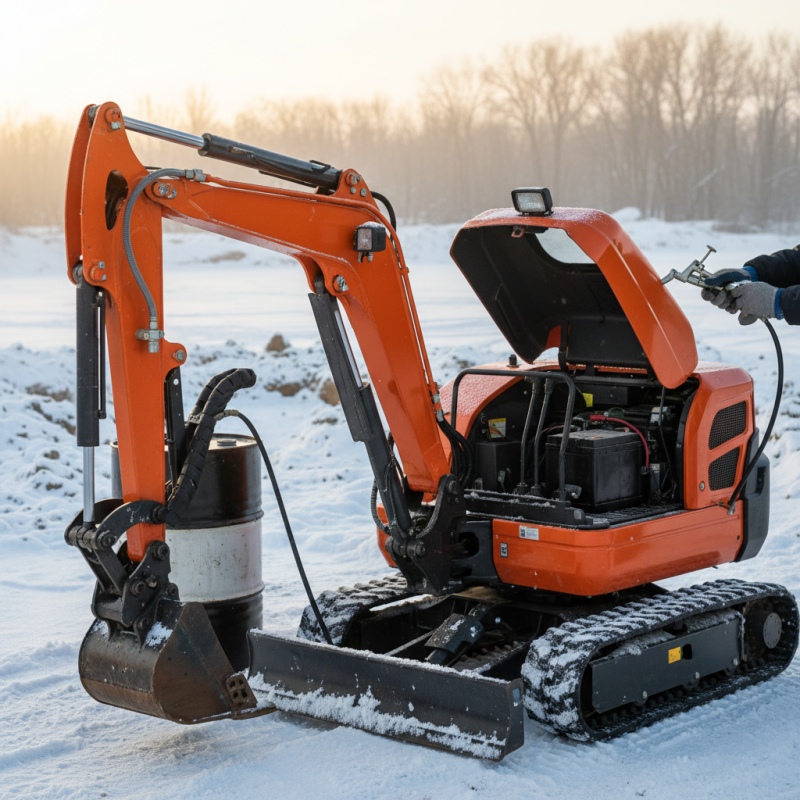
Winter maintenance for mini excavators is crucial. Cold temperatures can adversely affect performance. If not properly maintained, your machine could face numerous issues. Fluids thicken in low temperatures, making them less effective. Regular checks on hydraulic oil and engine oil are necessary to ensure smooth operation.
Keeping batteries charged is vital during this season. Cold weather can drain batteries quickly. You should inspect connections for corrosion as well. Using a battery warmer can help maintain optimal function. Additionally, cleaning and protecting electrical components from moisture is essential to prevent failures.
Another aspect of winter maintenance is checking tracks and undercarriage. Snow and ice can cause buildup, leading to potential damage. Ensure that all moving parts are well-lubricated. Excessive wear can occur if proper care is neglected. Regularly assess the machine's performance and readiness to work. Ignoring these details can lead to costly repairs later.
Preparing your mini excavator for cold weather operations is essential to maintain its performance. According to a report by the Equipment Watch, approximately 20% of machinery failures in winter can be attributed to inadequate preparation. Cold temperatures can cause the oil to thicken, leading to sluggish operation. It's crucial to switch to low-temperature lubricants that remain fluid in freezing conditions. Regularly checking the hydraulic fluid and ensuring it meets cold weather specifications can prevent costly repairs.
Battery health is another critical aspect. In colder temperatures, batteries can lose 30% of their power. Inspecting battery connections and ensuring they are corrosion-free can enhance reliability. Additionally, using battery warmers or insulation during extremely cold spells can extend battery life. A thorough inspection before winter starts helps identify issues that could be exacerbated by the cold.
Fuel choices matter too. Diesel fuel can gel in low temperatures, affecting engine performance. Using additives designed for winter use can prevent this issue. Furthermore, an engine block heater can warm the engine before starting, reducing wear and tear. Routine maintenance is important but often overlooked. Ignoring these aspects may lead to unexpected breakdowns during crucial operations.
| Maintenance Task | Description | Frequency | Importance |
|---|---|---|---|
| Oil Change | Changing engine oil to ensure optimal performance. | Every 100 hours | High |
| Battery Check | Inspect and clean battery terminals to prevent starting issues. | Before winter | High |
| Coolant Level | Check and top up coolant to prevent freezing. | Every month | Medium |
| Track Maintenance | Inspect tracks for wear and adjust tension if necessary. | After heavy use | Medium |
| Grease Joints | Lubricate joints and moving parts to prevent wear. | Every 50 hours | High |
Winter weather can take a toll on your mini excavator. To ensure it performs well, focus on the essential fluids and lubricants vital for winter use. Cold temperatures can thicken oils and reduce fluid efficacy. Always check the engine oil. Consider using a thinner oil that can flow better in low temperatures. This change can prevent engine wear and improve startup performance.
Antifreeze is crucial. Check the coolant level and ensure it is appropriate for winter conditions. A good antifreeze mix prevents freezing and system damage. Hydraulic fluids also need attention. Use winter-grade hydraulic fluids that maintain fluidity even in frigid temps. Frozen hydraulics can lead to inefficient operation and costly repairs.
Remember to inspect your fuel system too. Additives can prevent wax buildup in diesel, which is common in cold climates. Pay attention to all connections and seals to avoid leaks. Regular maintenance and appropriate fluid choices are essential. Ignoring these details might lead to performance issues, making winter work harder than it should be.
Winter poses unique challenges for mini excavators. Cold temperatures can reduce engine efficiency and cause issues with hydraulic fluids. It's crucial to inspect the components regularly to maintain optimal performance.
Pay close attention to the battery. Cold weather can diminish battery capacity significantly, leading to starting difficulties. A study found that battery efficiency drops by 30% at 0°F compared to 32°F. Ensure terminals are clean and connections are tight. Inspect hydraulic systems as well; hydraulic fluids can thicken in cold weather. Using winter-grade hydraulic fluid can prevent this issue.
Check the tracks and undercarriage too. Ice and snow can lead to slipping or reduce traction. Clearing the undercarriage of debris is essential to avoid breakdowns. Regularly examine the tension of the tracks. If tensions are too loose or too tight, it could lead to more damage. Taking these steps can foster resilience against winter's effects, but they require diligence and better planning.
When storing your mini excavator during winter months, preparation is key. Start by cleaning the machine thoroughly. Remove dirt and debris from every nook and cranny. Pay special attention to the undercarriage and tracks. This prevents corrosion and unwanted damage from freezing temperatures.
Next, consider draining or adding antifreeze to the fuel system. This step is often overlooked. If fuel remains in the tank and lines, it can cause blockages. Inspecting all fluids, including hydraulic oil and coolant, is essential. Replace any that are dirty or low to ensure your excavator is ready come spring.
Finally, cover your mini excavator with a quality tarp or waterproof cover. This simple act protects against moisture and snow buildup. Regularly check on the machine during winter. Small issues can snowball into larger problems. Reflect on your storage methods and adjust as needed for better results in the future.
: Winter maintenance ensures proper performance and prevents issues caused by cold temperatures.
Check hydraulic oil and engine oil regularly. Use thinner oil for better flow in cold conditions.
Keep your batteries charged and inspect for corrosion. Using a battery warmer helps maintain function.
Regularly check for snow and ice buildup. Ensure all moving parts are well-lubricated to prevent wear.
Clean the machine thoroughly, focusing on the undercarriage, and remove dirt to prevent corrosion.
Yes, adding antifreeze prevents blockages from fuel left in the system during freezing conditions.
A waterproof cover or tarp can protect against moisture and snow buildup, ensuring longevity.
Regular checks help catch small issues before they escalate into larger problems.
Ignoring maintenance can lead to costly repairs and decreased performance when you need the machine.
Yes, winter-grade hydraulic fluids maintain fluidity in cold temperatures and prevent efficient operation issues.
Maintaining a mini excavator in winter conditions is crucial to ensure optimal performance and longevity of the machine. Understanding the importance of winter maintenance involves preparing the equipment for cold weather operations by checking essential fluids and lubricants that might thicken in lower temperatures. Additionally, regular inspections are necessary to protect key components from potential damage due to freezing temperatures and harsh weather conditions.
To keep your mini excavator running smoothly during the winter months, adhering to best practices for storage is vital. This includes ensuring that the machine is stored in a sheltered environment to prevent exposure to snow and ice, and using proper covers to protect it from harsh elements. By following these guidelines, operators can ensure that their mini excavators are ready to tackle any tasks, regardless of the weather conditions.

Neto Forklifts