How to pass a forklift safety inspection begins before the inspector arrives. It starts with a disciplined walk-around, a working checklist, and the willingness to stop an unsafe truck. Raymond P. Smith, a veteran powered-industrial-truck safety trainer, explains, “An inspection is not a formality; it is the operator’s first safety decision.” That principle matters because a clean checklist cannot repair a cracked fork or leaking hydraulic line.
The inspection should examine the forks, heel, mast, lift chains, tires, wheels, overhead guard, seat belt, horn, lights, brakes, steering, alarms, and hydraulic controls. Look closely. A small oil spot beneath the truck may indicate a larger failure. A worn tire can reduce stability on a smooth warehouse floor. Test each control in a clear area, following the manufacturer’s instructions and applicable workplace requirements. Confirm that the data plate is readable and matches the truck’s configuration. Remove defective equipment from service, report it clearly, and allow only qualified personnel to approve its return.
How to pass a forklift safety inspection is not about making equipment appear perfect. It is about proving that hazards were identified, documented, and corrected. That distinction is easy to miss. Some teams rush through inspections during busy shifts, and that habit deserves honest criticism. A careful operator checks behind the mast, listens for unusual sounds, and notices changes from yesterday. Inspection quality depends on training, maintenance records, and supervisory follow-through. When those elements work together, the inspection becomes practical evidence of a safer workplace, not merely another completed page.
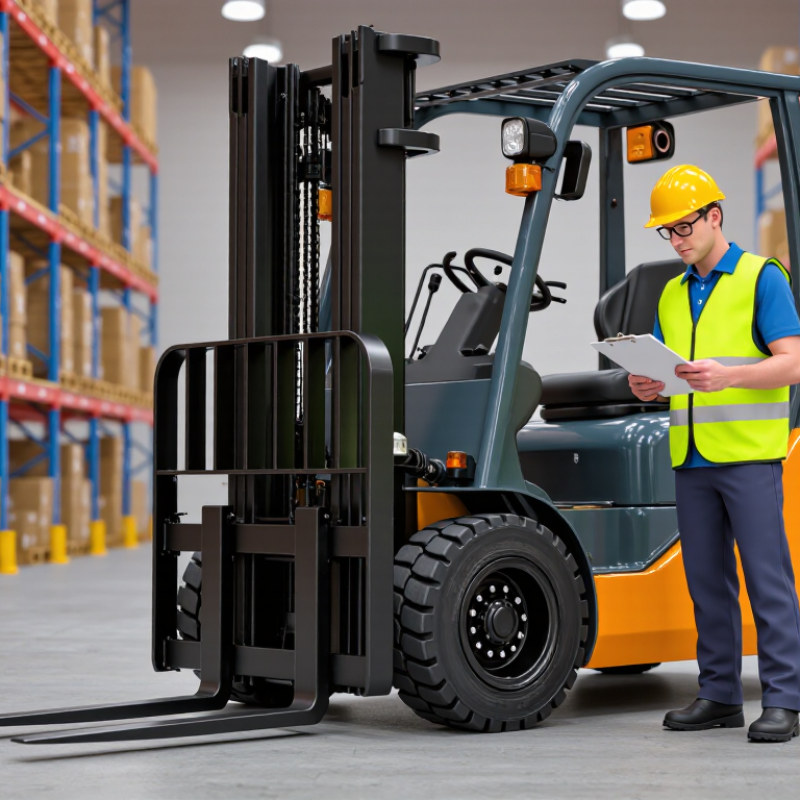
Define the Scope and Standards of a Forklift Safety Inspection
A forklift safety inspection must begin with a clear scope. Define the truck type, lifting capacity, attachments, work area, and inspection frequency. Include daily checks, scheduled examinations, and inspections after damage or major repairs. The scope should cover brakes, steering, tires, forks, mast, chains, hydraulics, alarms, lights, guards, and the operator restraint system.
Set standards before anyone touches the forklift. Use current workplace rules, equipment instructions, and recognized safety practices. Each item needs an observable pass or fail condition. For example, a hydraulic hose should show no leakage, swelling, or exposed reinforcement. Forks should not have dangerous cracks, excessive wear, or uneven tips. Test the horn and warning devices in the actual work environment. A quiet workshop can hide a weak alarm.
Keep the inspection form specific and traceable. Record the date, equipment identification, meter reading, inspector qualification, findings, and corrective action. Defects affecting safe operation require immediate control, such as removing the forklift from service. Do not guess. Ask a competent person when a defect is unclear. A checklist can look complete while missing changing site risks, like wet floors, poor visibility, or unstable loads. Review the scope after incidents, near misses, layout changes, or new attachments. It is tempting to treat inspection as paperwork. That is a mistake. The standard must guide real decisions beside the forklift.
Prepare the Forklift and Inspection Area
Before a forklift safety inspection, move the truck to a clean, level area with enough space around it. Keep the floor clear. Remove pallets, loose tools, packaging, and spilled liquids. Good lighting helps inspectors notice leaks, cracks, and worn parts. Place wheel chocks nearby when required by site procedures. Keep pedestrians away from the inspection zone.
In daily inspections, I have learned that preparation often reveals problems before the checklist begins.
Park the forks flat and lower them fully. Set the parking brake and turn off the power. Check the tires for cuts, missing sections, or unusual wear. Look beneath the forklift for oil, coolant, or hydraulic leaks. Examine the mast, chains, guards, overhead protection, and load backrest for damage.
Small defects matter.
Test the horn, lights, alarm, steering, and brakes only in a controlled area. Never test moving functions near people or stored materials. Use the approved checklist, and record each finding clearly. A trained inspector should review serious defects before the forklift returns to service. Do not hide a problem because the machine seems usable. I once overlooked a loose step during a rushed check; that mistake showed me how easily routine can weaken attention.
Give the inspection area enough time and space. Safety checks should feel deliberate, not hurried.
Check Critical Mechanical and Safety Components
How to Pass a Forklift Safety Inspection?
Check Critical Mechanical and Safety Components
A forklift inspection should begin before the engine starts. Walk around the machine slowly. Check the tires, forks, mast, chains, overhead guard, and load backrest. Look for cracks, bent parts, loose bolts, and hydraulic leaks. OSHA estimates that forklifts cause about 85 workplace deaths and 35,000 serious injuries each year. These figures show why visual checks cannot be treated as paperwork.
Test the brakes, steering, horn, lights, seat belt, and reversing alarm. Confirm that the parking brake holds on a safe, level surface. Watch the forks as they rise and lower. Uneven movement may indicate hydraulic or mast problems. Check the data plate and inspection records. The U.S. Occupational Safety and Health Administration requires forklifts to be examined at least daily, or after each shift when used continuously. Defective equipment must be removed from service. A checklist can look complete while a small leak remains unseen. That is the uncomfortable part.
Tips: Keep the inspection form beside the charging or fueling area. Photograph serious defects when site procedures allow it. Never “test” a suspected failure with a loaded pallet. Ask a qualified technician to assess unusual noise, weak braking, or damaged forks. NIOSH identifies training and workplace controls as key factors in reducing powered industrial truck injuries. Operators should report defects immediately, even when production pressure is high. I would also review missed defects each week. The process is rarely perfect. That review can reveal where attention is failing.
Test Operating Functions and Document Defects
A forklift safety inspection is more than a quick glance at the tires. Test each operating function in a clear, controlled area. Check the horn, brakes, steering, parking brake, lights, alarms, seat belt, and emergency controls. Raise and lower the forks slowly. Test mast tilt, chains, hydraulic lines, and attachments for unusual movement or leaks. Keep hands away from pinch points.
OSHA requires powered industrial trucks to be examined before use and at least daily, or after each shift when used continuously. Its standard, 29 CFR 1910.178(q)(7), also requires unsafe trucks to be removed from service. A defect log should record the truck identification number, date, hour-meter reading, inspector, failed function, and exact condition. “Brake issue” is too vague. Write, “Parking brake slips on a slight incline.” Add a photograph when it clarifies the defect. Then mark the truck out of service and record the repair approval.
Documentation protects people only when it matches reality. A clean checklist can still hide rushed testing. I have seen operators sign forms before starting the engine. That habit needs questioning. OSHA reports that powered industrial trucks are linked to about 35,000 serious injuries and 85 fatal injuries annually. The numbers make small defects less small. Recheck the repair, update the log, and obtain a qualified release before operation resumes. Mistakes happen. Unrecorded mistakes become patterns.
Correct Failures and Approve the Forklift for Use
How to Pass a Forklift Safety Inspection?
A forklift should pass inspection only after every defect is corrected and verified. OSHA guidance requires an inspection before each shift, especially when equipment changes operators or working conditions. Check the forks, mast, chains, tires, steering, brakes, horn, lights, seat belt, and fluid leaks. Look closely at the hydraulic lines. A small wet spot can become a lifting failure.
Mark unsafe forklifts clearly and remove them from service immediately. Do not approve equipment because the defect seems minor. OSHA estimates that powered industrial trucks cause about 35,000 serious injuries and 62,000 non-serious injuries each year in the United States. Its safety guidance also links roughly 25% of forklift accidents to inadequate operator training. Those figures make a rushed sign-off difficult to defend.
Corrective work should match the failure. Replace damaged forks, repair leaking hydraulics, restore warning devices, and record the completed action. A qualified person should then repeat the full inspection, not only the failed item. Test the forklift on a clear, level surface, with no load nearby unless the procedure requires one. Confirm stable steering, smooth braking, and controlled mast movement. Keep the inspection record with the unit. Paperwork alone proves little, but missing paperwork creates uncertainty. A second review may feel excessive; it often catches the detail everyone missed.
Conclusion
How to pass a forklift safety inspection begins with clearly defining the inspection scope and applying the relevant workplace standards. Before the inspection, park the forklift in a clean, well-lit area, switch it off safely, and gather the required records and inspection tools. Review the machine’s overall condition, including tires, forks, mast, chains, hydraulics, brakes, steering, warning devices, seat belts, lights, and protective guards. Look for leaks, cracks, excessive wear, loose parts, or other visible hazards.
Next, test essential operating functions in a controlled area, including starting, stopping, lifting, lowering, steering, alarms, and emergency controls. Record every defect accurately and remove the forklift from service if a problem could affect safe operation. Qualified personnel should complete repairs, replace damaged components, and recheck the equipment after corrective work. The forklift should only be approved for use when all critical issues have been resolved, inspection results are documented, and operators receive confirmation that the machine is safe to operate.

 Neto Forklifts