If you've ever wondered, "Why is my skid steer loader losing hydraulic power?" you are not alone. Many operators face this challenge, and understanding the root causes can save you time and money. According to hydraulic expert John Smith, “A drop in hydraulic power indicates underlying issues that should not be ignored.” His expertise emphasizes the importance of addressing problems early.
Hydraulic systems are intricate and require regular maintenance. Common issues include hydraulic fluid leaks, clogged filters, or worn-out components. Each of these factors can disrupt the necessary pressure and flow for optimal operation. For instance, a small leak may seem minor, but it can quickly escalate into significant power loss.
Investing in regular inspections can prevent these challenges. It's essential to understand the indicators of a failing hydraulic system. Failing to acknowledge signs may lead to more extensive repairs. By keeping an eye on performance metrics and staying knowledgeable about potential issues, you can enhance your loader’s reliability and efficiency. Don't let hydraulic power loss hinder your work; stay informed and proactive in your maintenance efforts.
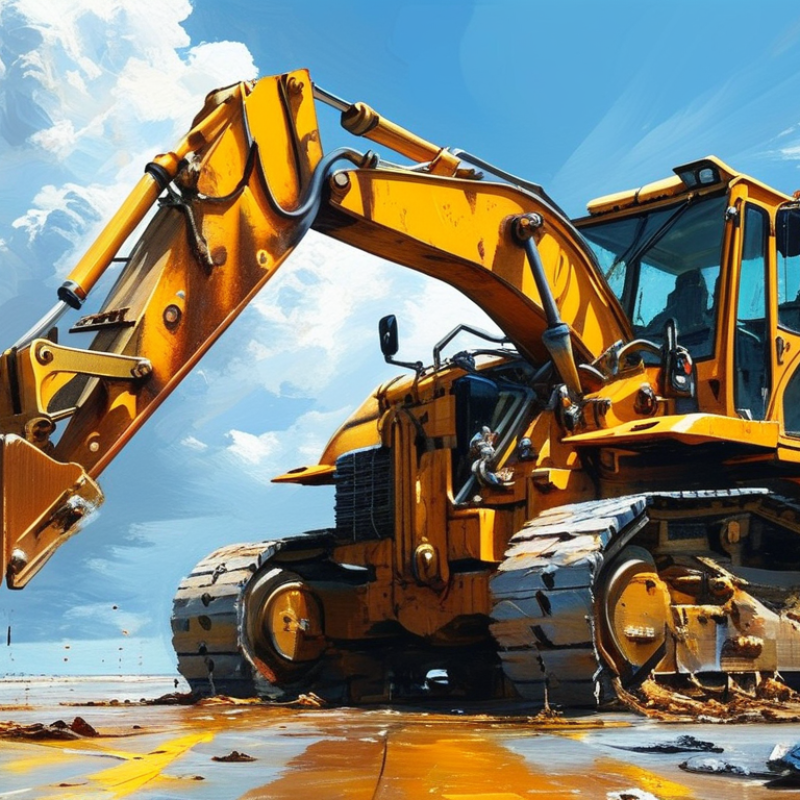
Hydraulic power loss in skid steer loaders can cause numerous operational issues. It’s crucial to recognize the symptoms early. One of the main signs is sluggish movement. If your loader hesitates or struggles to lift loads, this indicates potential hydraulic issues. Lack of responsiveness when using attachments is another red flag. Noisy hydraulic functions, such as whining or grinding sounds, often signal problems too.
Fluid levels should be checked regularly. Low hydraulic fluid can lead to significant power loss. Contaminated fluid poses another risk. Dirty fluid can clog filters and strain the system. Heating issues might arise as well. If the hydraulic system runs hot, it’s a sign of trouble. Regular inspections can help identify leaks or damaged hoses.
It’s important to note that not all symptoms are obvious. Sometimes, gradual power loss occurs. Operators might not realize they're experiencing a decline in performance. Periodic maintenance plays a vital role in avoiding these situations. Neglecting small issues can lead to larger, costly repairs. Observational skills are essential for effective troubleshooting. Your attention to detail can make all the difference in maintaining hydraulic power.
| Symptom | Possible Cause | Recommended Action |
|---|---|---|
| Slow or Reduced Speed | Low hydraulic fluid level | Check and refill hydraulic fluid |
| Unresponsive Controls | Hydraulic fluid contamination | Flush hydraulic system and replace fluid |
| Jerky or Erratic Movements | Air in hydraulic lines | Bleed the hydraulic system |
| Overheating | Clogged filters | Inspect and replace hydraulic filters |
| Leaking Hydraulic Fluid | Worn seals or hoses | Replace damaged seals or hoses |
: Symptoms include sluggish movement, hesitation in lifting, and lack of responsiveness with attachments.
Regularly inspect fluid levels before using the machine. Low fluid can lead to sluggish operation.
Contaminated fluid can impede performance. Murky fluid or particulates indicate it's time for a change.
Replace clogged filters immediately. Even minor debris can severely restrict fluid flow and hinder performance.
Look for visible leaks or use a diagnostic tool. Inconsistent pressure may signal underlying issues.
Neglect can lead to larger repairs and increased downtime. Regular maintenance can prevent these problems.
Regularly change hydraulic fluid to maintain effectiveness. Old fluid loses its ability to perform properly over time.
Yes, sometimes it’s subtle. Operators may not realize the performance decline until it becomes significant.
Observational skills can help troubleshoot problems early. Small issues can lead to major disruptions if ignored.
Not always. Sometimes, the results of fluid changes take time to become apparent. Stay observant.
If you find yourself asking, "Why is my skid steer loader losing hydraulic power?", it’s crucial to identify the symptoms of hydraulic power loss. Common signs include sluggish or erratic movements and difficulty lifting loads. Start by checking the hydraulic fluid levels and quality, as low or contaminated fluid can severely affect performance.
Next, inspect hydraulic hoses and connections for leaks, which may compromise pressure. Additionally, testing and replacing hydraulic filters and components, if necessary, can restore system efficiency. Finally, evaluate the hydraulic pumps and valves for proper functionality, as any malfunction in these components can lead to a significant loss of power. By systematically addressing these areas, you can effectively diagnose and resolve issues related to hydraulic power loss in your skid steer loader.

 Neto Forklifts