Hydraulic leaks on crawler excavators can disrupt operations and lead to costly repairs. Understanding how to troubleshoot hydraulic leaks on a crawler excavator is crucial for maintaining efficiency. These leaks often go unnoticed until they result in significant issues. Identifying the signs early can save time and money.
Hydraulic systems are complex. They rely on precise pressure and fluid levels. Even a small leak can affect performance. Regular inspections are vital. Look for wet spots or puddles beneath the machine. Sometimes, the noise of leaking fluid can be a telling sign. This requires immediate attention.
Investigating the source of the leak involves a systematic approach. Check connections, hoses, and seals for wear. Each component plays a role in the hydraulic system's overall integrity. There might be instances where the problem isn't obvious, causing frustration. It’s essential to be patient and thorough. Understanding these aspects builds a reliable foundation for effective excavator maintenance.
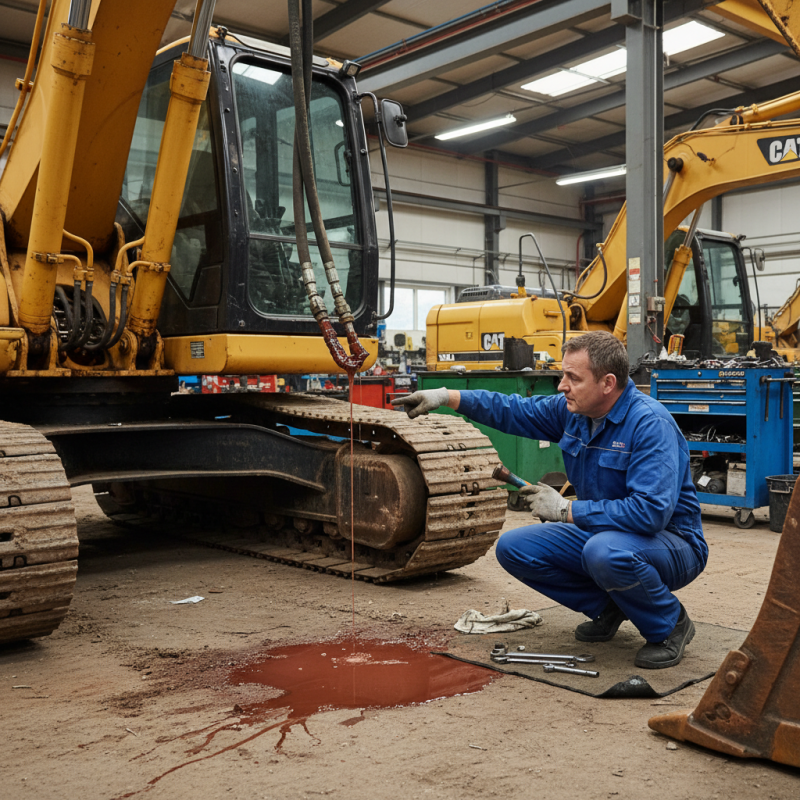
Hydraulic leaks in crawler excavators can cause significant downtime and costly repairs. Identifying common sources of these leaks is crucial for maintaining optimal performance. Common areas to inspect include hoses, fittings, and cylinders. Hoses may wear or crack over time due to constant movement and exposure to elements. Even small abrasions can lead to major leaks. Regular visual inspections can help catch these issues early.
Fittings are another common culprit. Loose or damaged fittings can result in fluid seeping out. It's important to check for signs of wear or corrosion. Cylinder seals also play a vital role in preventing leaks. If seals become worn or damaged, hydraulic fluid can escape. A thorough examination of seals during routine maintenance can avoid larger problems down the line.
Sometimes, leaks can be challenging to detect. A minor leak may not leave obvious signs but can lead to significant fluid loss. Even the smallest drips should not be ignored. Constant monitoring and timely repairs are essential. Maintaining a record of inspections and repairs can help track patterns and highlight potential issues before they escalate.
| Leak Source | Symptoms | Causal Factors | Repair Methods |
|---|---|---|---|
| Hoses and Fittings | Visible fluid leaks, decrease in hydraulic pressure | Wear and tear, incorrect installation, damage | Inspect fittings, replace damaged hoses |
| Cylinder Seals | Puddles of fluid, reduced lift capacity | Aging seals, contamination, misalignment | Replace seals, align cylinders correctly |
| Tank and Reservoir | Fluid level drop, visible leaks at the tank | Cracks, rust, improper mounting | Repair or replace tank, ensure proper mounting |
| Pump | Noisy operation, fluid leakage at the pump | Worn bearings, poor maintenance | Service or replace pump as needed |
| Valves | Irregular hydraulic function, fluid seepage | Debris blockage, wear | Clean or replace valves, check operation |
: Basic hand tools like wrenches and pliers are essential. They help access the leak site easily.
It catches leaking fluid during repairs, preventing mess and reducing hazards.
Using solvents is crucial. This prepares the area for sealing effectively.
Look for oil stains or puddles under the machine. Inspect hose connections and seals regularly.
Be prepared to revisit your work. Sometimes, it takes multiple attempts to fix leaks properly.
It helps track recurring problems and aids in understanding patterns over time for future maintenance.
If a leak is severe or if O-rings or seals are damaged, replacement is often the best solution.
Always wear gloves and goggles to protect yourself from hazardous hydraulic fluids.
Yes, occasionally even new parts can have manufacturing flaws that need addressing.
Sometimes leaks are deep within components, requiring disassembly for thorough inspection.
This article provides a comprehensive guide on how to troubleshoot hydraulic leaks on a crawler excavator. It begins by identifying common sources of hydraulic leaks, such as worn seals and damaged hoses, which are crucial for effective diagnosis. The necessary tools and materials for the repair process are highlighted to prepare operators for the task ahead.
A step-by-step process is outlined to assist in diagnosing leaks accurately, followed by various repair techniques that ensure effective fixing of the leaks. Additionally, the article emphasizes preventive measures that can be adopted to avoid future hydraulic leaks, ultimately contributing to the longevity and reliability of crawler excavators. By following these guidelines, operators can maintain optimal machine performance and reduce downtime.

 Neto Forklifts