How to Enhance Comfort for Forklift Cabin Operators

Time:2026-07-19 Author:Sienna
0%

In the material handling industry, operator comfort significantly impacts productivity and safety. Studies show that 30% of forklift accidents are linked to operator fatigue. Enhancing comfort in forklift cabins is crucial for reducing these incidents. Addressing this challenge involves understanding ergonomic principles and cabin design.

Implementing improvements involves not only physical adjustments but also psychological factors. How to improve operator comfort in a forklift cabin requires careful consideration of seat design, cabin layout, and control accessibility. Research indicates that ergonomic seats can reduce musculoskeletal injuries, with a 25% decrease reported in some facilities.

Furthermore, noise reduction and proper climate control are essential for sustained operator focus. While many companies invest in advanced technology, it's vital to acknowledge that comfort often gets overlooked. Regular assessments and feedback from operators can provide valuable insights. Balancing budget constraints and operator comfort remains a challenge, yet the long-term benefits are undeniable.
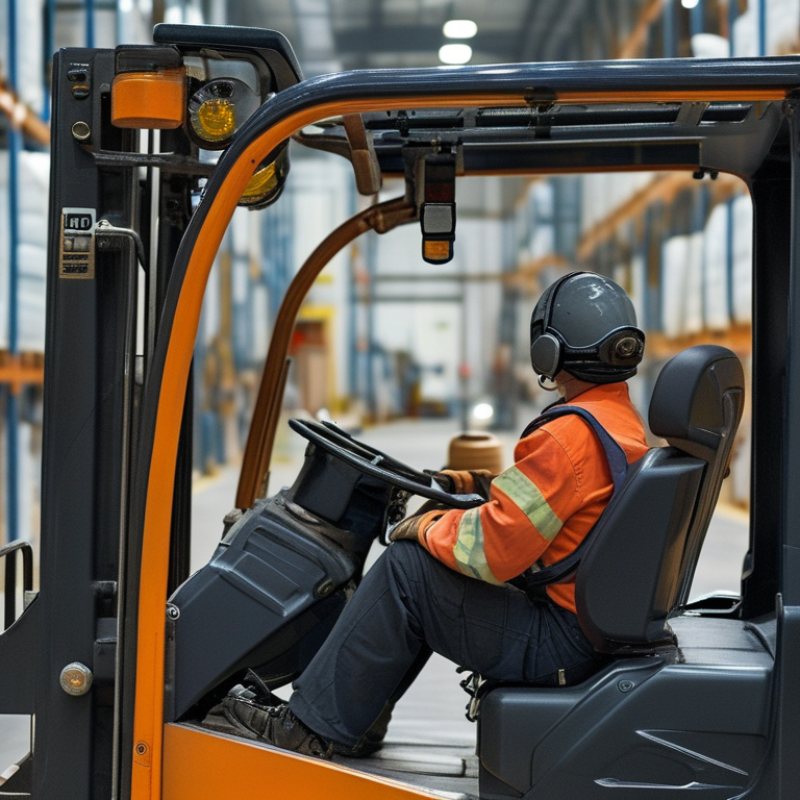
How to Enhance Comfort for Forklift Cabin Operators

Importance of Comfort for Forklift Cabin Operators

Comfort is essential for forklift cabin operators. Research indicates that a comfortable working environment can improve productivity by up to 20%. This can lead to higher efficiency and reduced operational costs for companies. Operators spend long hours in their cabins, making ergonomic design crucial.

Proper seat adjustments are vital. An adjustable seat can significantly reduce strain on the back and neck. Data shows that 21% of forklift operators report musculoskeletal injuries. Providing lumbar support and cushioning can alleviate discomfort. Moreover, maintaining an appropriate cabin temperature can further enhance comfort. Studies reveal that temperature extremes negatively impact concentration.

Noise levels in the cabin can also affect operator comfort. Prolonged exposure to high decibel levels leads to fatigue. Implementing soundproofing techniques can mitigate noise and improve the work environment. Operators must be able to focus on their tasks without distraction. Yet, many cabins still lack sufficient measures for sound control. Regular training on the importance of comfort can encourage operators to voice their needs.

Ergonomic Design Features to Consider for Forklift Cabins

Creating an ergonomic forklift cabin is essential for operator comfort and efficiency. Comfort begins with the seat design. It should support the lower back and provide ample cushioning. Adjustable features allow operators of varying heights to find their ideal position, reducing fatigue during long shifts.

Another vital aspect is the control layout. Controls should be within easy reach to minimize strain. Operators benefit from intuitive designs that enhance usability. Limited space can pose challenges, requiring creative solutions for placing controls and displays. Visibility is equally important. Clear sightlines reduce the risk of incidents and enhance overall safety.

Cabin insulation plays a role that is often overlooked. Proper insulation helps manage noise and temperature, creating a pleasant environment. However, achieving the right balance between insulation and visibility is tricky and may require adjustment. Attention to detail in these areas fosters a more productive and safe work environment.

Adjustable Seating and Controls for Improved Operator Comfort

Comfort in forklift operations is crucial for productivity and operator well-being. Height-adjustable seating allows operators to find their optimal driving position. This reduces strain during long shifts. Operators who can set their seat height, angle, and lumbar support report feeling less fatigued throughout the day.

Control accessibility is another vital factor. Ergonomically designed controls should be within easy reach. Operators may struggle with poorly positioned levers and buttons. Enhanced control placement can significantly reduce discomfort. Thoughtful designs can prevent awkward wrist movements, allowing for smoother operation.

Yet, not all adjustments lead to immediate comfort. Some operators may need time to adapt to new settings. Regular evaluations of seating and controls are essential to ensure ongoing comfort. Feedback from the operators is invaluable to fine-tune these adjustments. Understanding their experiences can lead to more effective solutions.

Operator Comfort Factors in Forklift Cabins

This chart illustrates various comfort factors that can significantly impact forklift cabin operators, with ratings indicating their importance on a scale of 1 to 10.

Temperature Control Solutions in Forklift Cabins

Maintaining a comfortable temperature in forklift cabins is essential for operator efficiency. Extreme heat or cold can lead to fatigue and decreased focus. A well-regulated cabin helps operators remain alert and productive throughout their shifts.

One effective approach to temperature control is proper insulation. Insulation materials can minimize heat transfer. Operators often notice that well-insulated cabins stay cooler in summer and warmer in winter. Additionally, installing ventilation systems allows fresh air circulation. This can alleviate the buildup of heat and humidity, creating a more comfortable working environment.

However, there are challenges in finding the perfect balance. Some operators may still feel discomfort despite these solutions. The placement of heating or cooling elements can impact their effectiveness. Regular feedback from operators is crucial. Gathering input helps improve temperature management strategies. This reflection ensures that solutions remain relevant to the operators’ needs.

Minimizing Noise and Vibration for a Better Working Environment

Noise and vibration in forklift cabins can significantly impact operator comfort and productivity. A loud environment can lead to fatigue and decreased focus. Operators exposed to excessive noise are more likely to make mistakes. Vibration can cause discomfort and potential long-term health issues. Employers need to understand these risks.

To create a quieter cabin environment, consider noise-dampening materials. Using insulation can make a notable difference. Rubber mats can reduce vibrations from the floor, creating a more stable platform. A well-maintained forklift helps minimize both noise and vibration levels. Regular checks on mechanical components ensure a smoother ride.

However, achieving a perfect solution is challenging. Not all modifications may suit every operator's needs. Some operators may still find noise bothersome despite improvements. Regular feedback from operators is crucial. This helps identify unaddressed issues and allows for ongoing adjustments. The goal is to create an environment where operators feel safe and focused.

How to Enhance Comfort for Forklift Cabin Operators - Minimizing Noise and Vibration for a Better Working Environment
Aspect Measurement (dB / m/s²) Recommended Standard Improvement Strategies
Noise Level 85 dB 75 dB Max Soundproofing materials, Improved cab design
Vibration Level 2.5 m/s² 1.6 m/s² Max Vibration damping mats, Regular maintenance
Temperature Control 30°C 22-26°C Ideal Air conditioning, Insulation
Ergonomics N/A Adjustable seating Ergonomic seat, Adjustable controls
Visibility N/A Minimum Obstruction Wider windows, Better lighting

FAQS

: Why is ergonomic design important for forklift cabins?

: Ergonomic design enhances operator comfort and efficiency, reducing fatigue during long work shifts.

What should be considered for seat design in a forklift cabin?

Seats need lower back support, ample cushioning, and adjustable features for operators of different heights.

How does control layout affect operator comfort?

Controls should be within easy reach. Intuitive designs minimize strain and enhance usability.

What role does visibility play in forklift operation?

Clear sightlines improve safety and reduce the risk of incidents while operating the forklift.

How can cabin insulation contribute to operator comfort?

Proper insulation manages noise and temperature, creating a more pleasant working environment.

What materials help minimize noise and vibration in cabins?

Noise-dampening materials and rubber mats can significantly reduce both noise and vibrations in the cabin.

How do regular maintenance checks impact noise and vibration levels?

Well-maintained forklifts lead to smoother rides and lower noise levels, enhancing operator comfort.

What challenges arise when trying to reduce noise and vibration?

It can be difficult to find solutions that fit every operator’s needs. Regular feedback is essential.

Can modifications completely eliminate noise issues for operators?

Not all operators may find noise bothersome despite improvements; some adjustments may still be needed.

How does the working environment influence operator productivity?

A quiet and comfortable cabin boosts focus and reduces the likelihood of mistakes during operation.

Conclusion

Enhancing comfort for forklift cabin operators is crucial for improving efficiency and reducing fatigue. This article outlines several key areas to focus on, starting with the ergonomic design of the cabin which significantly impacts operator experience. Features such as adjustable seating and controls allow for personalized positioning and ease of use, directly contributing to operator comfort.

Furthermore, effective temperature control solutions are essential in maintaining a pleasant working environment, while minimizing noise and vibration can significantly reduce distractions and discomfort. Implementing these strategies provides a comprehensive approach to understanding how to improve operator comfort in a forklift cabin, ultimately leading to safer and more productive operations.

Sienna

Sienna

Sienna is a skilled marketing professional with a deep expertise in our company’s core products and services. With a passion for innovation and detail, she plays a pivotal role in crafting insightful blog posts that not only highlight the unique features of our offerings but also provide valuable......