In recent years, businesses have increasingly recognized the importance of indoor air quality. Electric forklifts play a crucial role in enhancing this aspect within warehouses and manufacturing plants. Dr. Emily Harrison, an air quality expert, emphasizes this connection: "Electric forklifts significantly reduce harmful emissions, making workplaces safer and cleaner."
Why are electric forklifts better for indoor air quality? Traditional forklifts typically run on diesel or propane, releasing harmful fumes. These emissions can cause respiratory problems for workers and contribute to a toxic environment. In contrast, electric forklifts produce zero tailpipe emissions. This change not only protects employee health but also reduces airborne pollutants in the workspace.
While it's clear that electric forklifts are beneficial, some companies hesitate to adopt this technology. Concerns about initial costs and battery management remain. However, the long-term gains can outweigh these challenges. Cleaner air leads to fewer sick days and increased productivity. Investing in electric forklifts is not just a trend; it’s essential for fostering a healthier indoor environment for employees.
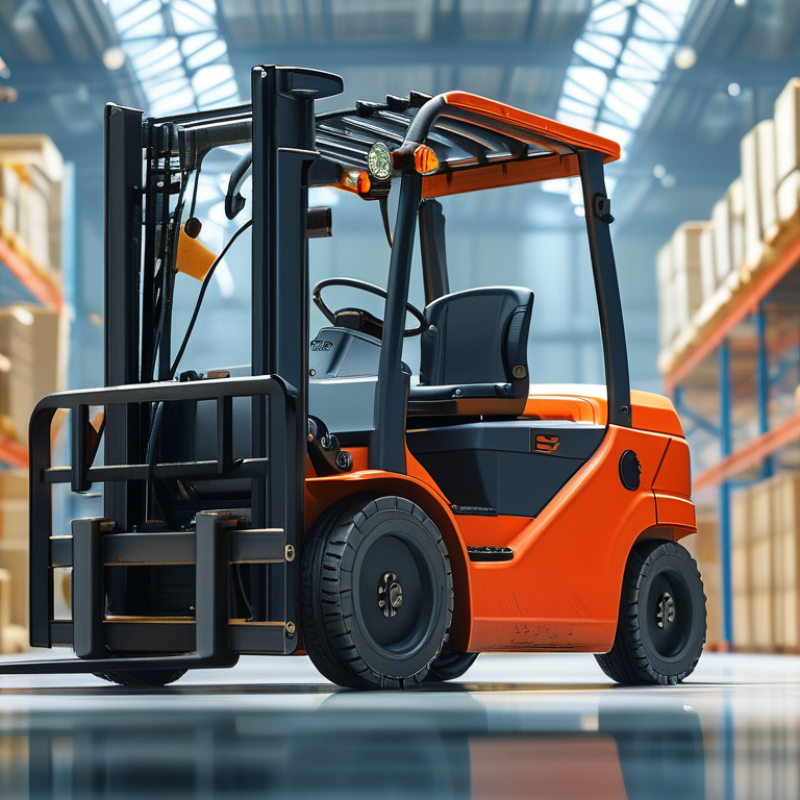
Electric forklifts are transforming indoor work environments. Their operation does not produce harmful emissions, which is crucial for air quality. Businesses can benefit greatly from cleaner air. Healthier air leads to fewer respiratory issues among employees. This is particularly important in warehouses and manufacturing plants where workers spend long hours.
Moreover, electric forklifts operate quietly. This reduced noise pollution contributes to a calmer work environment. Employees can focus better with less distraction. Improved concentration can lead to increased productivity. Many companies report a positive shift in employee satisfaction after switching to electric models.
However, transitioning to electric forklifts isn't without challenges. Initial costs may be higher. Some businesses may struggle with charging infrastructure. It requires careful planning and investment. Still, the long-term benefits for air quality and employee health often outweigh these hurdles. Businesses must weigh these factors as they consider their options for enhancing indoor environments.
Electric forklifts are a game changer for businesses focusing on indoor air quality. Unlike gasoline forklifts, they produce zero emissions during operation. This means cleaner air for employees. Gasoline-powered forklifts emit harmful fumes, contributing to respiratory issues. Businesses that use electric options can improve worker health and productivity.
Consider the noise factor as well. Electric forklifts operate more quietly. This helps create a calmer work environment. Noise from gasoline models can be intrusive. It's worth considering which type of forklift aligns with your air quality goals.
Tips: Regular maintenance for electric forklifts is essential. Ensure batteries are charged and well-maintained for optimal performance. Also, monitor air quality regularly. Small changes can lead to big improvements in indoor environments. Always evaluate your specific needs and the impact on your workforce.
| Emissions Type | Electric Forklifts (g/kWh) | Gasoline Forklifts (g/kWh) | Impact on Indoor Air Quality |
|---|---|---|---|
| CO2 | 0 | 800 | Significantly Reduced |
| NOx | 0 | 60 | Significantly Reduced |
| HC (Hydrocarbons) | 0 | 10 | Significantly Reduced |
| Particulates | 0 | 5 | Significantly Reduced |
Indoor air quality is critical for worker health. Forklift emissions significantly impact this environment. Traditional forklifts often rely on diesel or propane. These machines emit harmful pollutants, including carbon monoxide and nitrogen oxides. According to the U.S. Environmental Protection Agency, long-term exposure to these emissions can lead to respiratory issues and reduced productivity.
Electric forklifts offer a cleaner alternative. They produce zero tailpipe emissions, which can greatly improve indoor air quality. A study by the National Institute for Occupational Safety and Health highlights that reducing exposure to forklift emissions can enhance employee well-being. Healthier workers are less likely to take sick days. This translates to increased productivity and lower healthcare costs for businesses.
However, not all facilities are ready to switch fully. Some businesses still depend on older equipment, which may be less efficient and more polluting. These machines can create a hazardous work environment over time. Evaluating the existing fleet is essential to ensure a safer indoor atmosphere. Transitioning to electric forklifts is a step forward but requires commitment and investment. The goal should always be a healthier workplace for all employees.
Implementing electric forklifts in warehouse environments brings significant benefits for indoor air quality. Traditional forklifts often run on diesel or propane, emitting harmful pollutants. These emissions can contribute to respiratory issues among employees. Electric forklifts, on the other hand, produce zero tailpipe emissions. This creates a healthier work environment, especially in confined spaces.
Aside from the health benefits, switching to electric forklifts can reduce overall operating costs. Electric vehicles require less maintenance than their gas counterparts. However, the initial investment in electric models can be daunting for some businesses. The need for charging infrastructure can also pose challenges. Many warehouses may lack the necessary electrical capacity. Addressing these issues is crucial for a successful transition.
Workplace air quality should not be overlooked. Workers spend long hours in warehouses, making clean air vital. Electric forklifts not only enhance air quality but also improve employee productivity. Companies must weigh the pros and cons carefully to make informed decisions. Investing in electric forklifts can lead to a safer and more efficient working environment.
The chart above illustrates the improvement in Indoor Air Quality (IAQ) index before and after implementing electric forklifts in warehouse environments. The increase in IAQ indicates a healthier and more comfortable environment for employees.
Electric forklifts bring a significant advantage in terms of indoor air quality. Traditional forklifts often use fossil fuels, releasing harmful emissions. In contrast, electric models operate quietly and cleanly. This shift reduces airborne pollutants, which benefits workers’ health.
Cleaner air contributes to fewer respiratory issues and a better work environment. Employees experience less fatigue and can concentrate more. As a result, productivity may see a boost. Over time, this can lead to reduced health-related costs. Businesses save on insurance claims and absenteeism.
Investing in electric forklifts can appear costly initially. However, the long-term savings can be substantial. Healthier indoor air can reduce the chances of diseases among workers. Fewer sick days and better morale can enhance overall performance. Organizations must weigh these costs against potential benefits for a more sustainable future.
: Electric forklifts reduce harmful emissions, leading to improved indoor air quality and better employee health.
They operate quietly, contributing to a calmer environment, allowing employees to focus better.
Yes, initial costs can be higher, and businesses may struggle with necessary charging infrastructure.
Employees enjoy cleaner air and a quieter environment, which can enhance concentration and productivity.
Workers spend long hours in these settings, making good air quality essential for their health.
Regular maintenance is crucial, including ensuring batteries are charged and monitored for optimal performance.
Electric forklifts produce zero emissions, while gasoline models emit harmful fumes affecting air quality.
They need to weigh initial costs, infrastructure requirements, and long-term air quality benefits.
Regular monitoring is important; even small changes can significantly improve indoor environments.
Yes, despite initial hurdles, the long-term air quality and health benefits can justify the expense.
Electric forklifts offer significant benefits for indoor air quality, making them a superior choice for businesses. By producing zero emissions compared to gasoline forklifts, they help reduce harmful pollutants in warehouse environments, leading to a healthier atmosphere for workers. This improvement in air quality not only enhances worker health but also boosts productivity, as employees can work in a safer and more comfortable environment.
Furthermore, implementing electric forklifts can lead to long-term cost savings associated with better air quality. Reduced air pollution translates to fewer health-related issues and lower healthcare costs, providing a compelling financial incentive for businesses to transition to electric options. In summary, "Why are electric forklifts better for indoor air quality" can be answered through their efficiency in eliminating harmful emissions, thereby creating a healthier and more productive workplace.

Neto Forklifts