Why is My Electric Forklift Battery Losing Charge Quickly?

Time:2026-07-29 Author:Mason
0%

Electric forklifts are crucial in various industries, enabling efficient material handling. However, many operators face a common challenge: "Why is my electric forklift battery losing charge quickly?" According to the Industrial Truck Association, improper battery maintenance can lead to a 30% reduction in performance. This situation not only affects productivity but also increases operational costs.

Expert James McKinley, a well-known battery technician, emphasizes, "Regular maintenance and monitoring can prevent premature battery failure." His insights highlight the importance of understanding battery chemistry, charging cycles, and environmental factors. Often, neglecting these aspects results in rapid charge loss, leaving operators frustrated and equipment idle.

Furthermore, inaccuracies in usage patterns and charging habits contribute to this issue. For example, consistently over-discharging a battery can shorten its lifespan significantly. Addressing these concerns is essential for ensuring optimal forklift performance and longevity. Understanding the core reasons behind your electric forklift battery's rapid charge loss is vital for improved efficiency and reduced downtime.
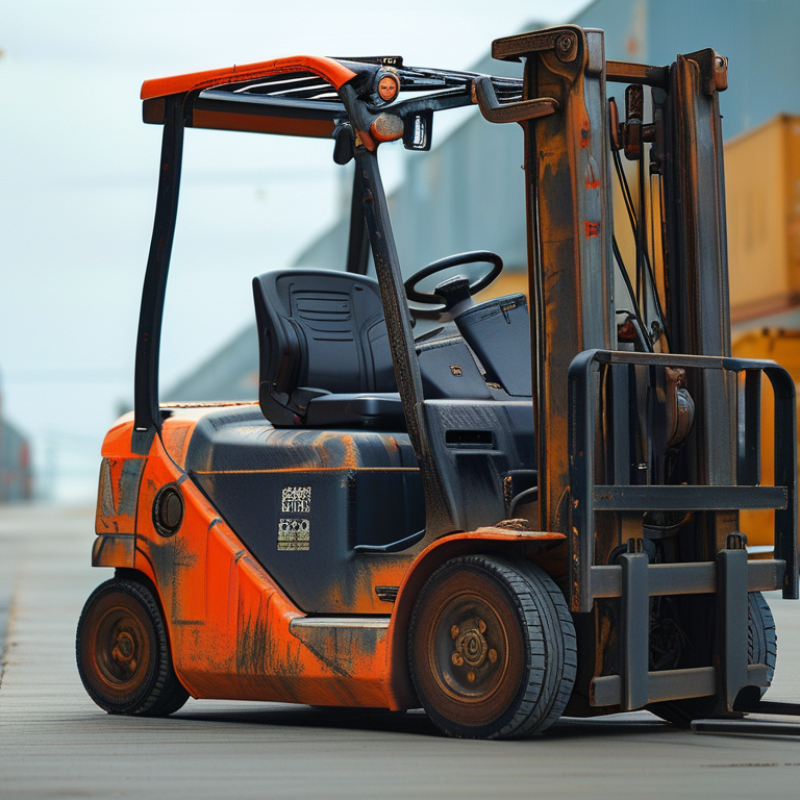
Why is My Electric Forklift Battery Losing Charge Quickly?

Common Reasons for Electric Forklift Battery Drain

Electric forklifts are essential in many industries, but battery drain can be a persistent problem. One common reason for rapid charge loss is temperature extremes. Batteries perform poorly in excessive heat or cold. If your forklift operates in harsh conditions, consider monitoring the battery's temperature. This aspect is often overlooked.

Another significant factor is insufficient charging practices. If the battery is not fully charged after each use, it can lead to reduced performance. Small shifts in daily routines may contribute to this issue. Even short charging sessions can affect the battery life.

Additionally, battery age and maintenance have a huge impact. Old batteries may hold less charge due to wear and tear. Regular maintenance checks can help identify signs of deterioration. Many operators neglect this aspect, leading to unforeseen issues. A proactive approach will enhance battery longevity and efficiency.

Signs Your Electric Forklift Battery Needs Maintenance

Electric forklifts are crucial for efficient warehouse operations. However, if your forklift battery is losing charge quickly, it may be a sign that maintenance is needed. Watch for specific indicators that suggest your battery requires attention.

One common sign is reduced runtime. If you notice a significant drop in operating hours, it could mean the battery is nearing the end of its life. Another detail to consider is the battery's charging time. If it takes considerably longer to charge fully, a deeper inspection may be necessary. Additionally, physical signs such as swelling or leaking fluid indicate potential failure.

Pay attention to performance during operation. If the forklift struggles to lift loads it used to handle easily, this suggests insufficient power. Frequent need for recharging after short periods of use can also signal underlying issues. Regular maintenance checks can help identify problems early. This approach ensures that your forklift operates efficiently and prolongs battery life. Ignoring these signs can lead to costly replacements and downtime.

Impact of Temperature on Forklift Battery Performance

Temperature affects the performance of electric forklift batteries significantly. High temperatures can speed up the chemical reactions within the battery, causing it to discharge faster. When the temperature rises, the battery may also experience overheating. This not only reduces efficiency but can also lead to permanent damage. On the other hand, low temperatures slow down the battery's chemical processes. Batteries struggle to deliver power, leading to quicker depletion.

Maintaining an ideal temperature range is crucial. Cold environments can reduce available capacity by up to 20%. Operations in hot climates might find their forklift batteries are underperforming due to quick discharge. It's important to monitor the conditions where the forklift operates. Reflecting on battery management practices can provide insights into performance issues. Ensure batteries are stored in temperatures that suit their specifications.

Regular maintenance and monitoring can help address these challenges. Operators should check battery fluid levels and terminals routinely. Disconnecting batteries during long periods of inactivity might also prevent service issues. Understanding these impacts is essential for maximizing battery life and efficiency in any operation.

Best Practices for Extending Your Forklift Battery Life

Battery maintenance is crucial for electric forklifts. According to the Industrial Truck Association, improper care can reduce battery lifespan by up to 50%. Regularly check the fluid levels in lead-acid batteries, as low levels can cause damage. Keeping terminals clean and ensuring connections are secure is essential. Dirt and corrosion can lead to poor performance and reduced charge retention.

Charging practices also influence battery life. Fast charging may save time but can generate heat, reducing overall lifespan. Aim for a full charge, but avoid overcharging. A full charge improves performance, while partial charging can lead to stratification in lead-acid batteries. Studies show that maintaining a regular charging schedule can extend battery life by up to 30%.

Lastly, the environment matters. Extreme temperatures affect battery efficiency. Keeping forklifts in a climate-controlled area can mitigate this risk. Research indicates that temperatures above 95°F or below 32°F can significantly lead to faster charge loss. Attention to these factors fosters longevity, yet many overlook basic maintenance routines. Simple practices can yield significant benefits for battery performance.

When to Replace Your Electric Forklift Battery

When dealing with electric forklifts, battery performance is vital. If you notice your forklift battery losing charge quickly, it may be time for a replacement. Key indicators include decreasing lift height and reduced operational time. Consider how often you charge and how long the battery lasts. Monitoring these details helps you assess battery health.

Tips: Regularly check your battery’s water levels. Low water can lead to battery damage. Keep terminals clean and free from corrosion. This simple maintenance prolongs battery life.

If your forklift battery is over three years old, it might be nearing the end of its lifespan. After this point, performance often declines significantly. Witnessing shorter operational hours or a lack of power could indicate it’s time for a change. Don't ignore unusual charging times. It reflects a deeper issue.

Tips: Always note performance changes. Create a log of charge times and usage. Monitoring data helps predict when a battery replacement is necessary.

Battery Charge Loss Over Time

This chart represents the charge level of an electric forklift battery over a six-week period. As seen, the charge level decreases significantly as time progresses, indicating potential battery degradation. Regular monitoring is essential to determine if a replacement is needed.

FAQS

: What causes electric forklift battery drain?

: Temperature extremes can significantly impact battery performance. Both heat and cold affect how well batteries operate.

How can charging practices affect battery life?

Insufficient charging can lead to reduced battery performance. Even short charging sessions may negatively impact longevity.

What role does battery maintenance play?

Regular maintenance is crucial. Neglecting it can lead to unforeseen issues and decrease battery lifespan by up to 50%.

How can I tell if my forklift battery needs replacement?

Indicators include rapid loss of charge, decreased lift height, and shorter operational time.

What are best practices for charging my forklift battery?

Aim for full charges but avoid overcharging. Regular schedules can boost battery life and performance by 30%.

Why is the environment important for battery health?

Extreme temperatures can cause faster charge loss. Keeping forklifts in controlled areas mitigates this risk.

How often should I check battery fluid levels?

Regular checks are necessary. Low fluid levels can cause damage, so keep them maintained for optimal performance.

What details should I monitor for battery health?

Keep a log of charge times, usage, and any performance changes. This data predicts when replacements may be needed.

How does battery age affect performance?

Batteries over three years old often experience significant performance declines. Watch for unusual charging times.

Are there any overlooked aspects of battery care?

Many neglect basic maintenance routines like cleaning terminals. Simple practices can provide significant benefits to battery performance.

Conclusion

If you're wondering, "Why is my electric forklift battery losing charge quickly?", there are several factors to consider. Common reasons for rapid battery drain include improper charging habits, age and wear of the battery, and potential mechanical issues with the forklift itself. Additionally, signs that your battery may need maintenance can manifest as decreased lift time or frequent need for recharging.

Temperature also plays a crucial role; extreme heat or cold can adversely impact battery performance. To ensure longevity, it's important to follow best practices such as regular maintenance, proper charging techniques, and avoiding over-discharging the battery. Ultimately, knowing when to replace your electric forklift battery is vital; if you notice persistent issues despite maintaining best practices, it may be time for a new battery.

Mason

Mason

Mason is a seasoned marketing professional with a deep expertise in the company's offerings and a passion for driving brand awareness. With a strong background in digital marketing strategies, he has an innate ability to connect with diverse audiences and effectively communicate product benefits.......