How Much Fuel Does a Diesel Forklift Use Per Hour?

Time:2026-05-07 Author:Sophia
0%

When considering industrial equipment, diesel forklifts are common. They play a vital role in warehouses and construction sites. A key question arises: how much fuel does a diesel forklift consume per hour? Understanding this can impact operational costs and efficiency.

Forklift fuel consumption varies based on usage, load weight, and engine size. Factors such as lifting height and driving speed also play a role. Diesel forklifts typically consume between 2 to 3 gallons per hour. This range depends on specific tasks and environmental conditions. Fleet managers often desire precise figures for budget planning.

Using a diesel forklift involves an analysis of its fuel efficiency. This metric informs maintenance and operational strategies. Observing consumption patterns could reveal opportunities for improvement. However, actual fuel use can differ from estimates, prompting a need for reflected adjustments based on real-world data.
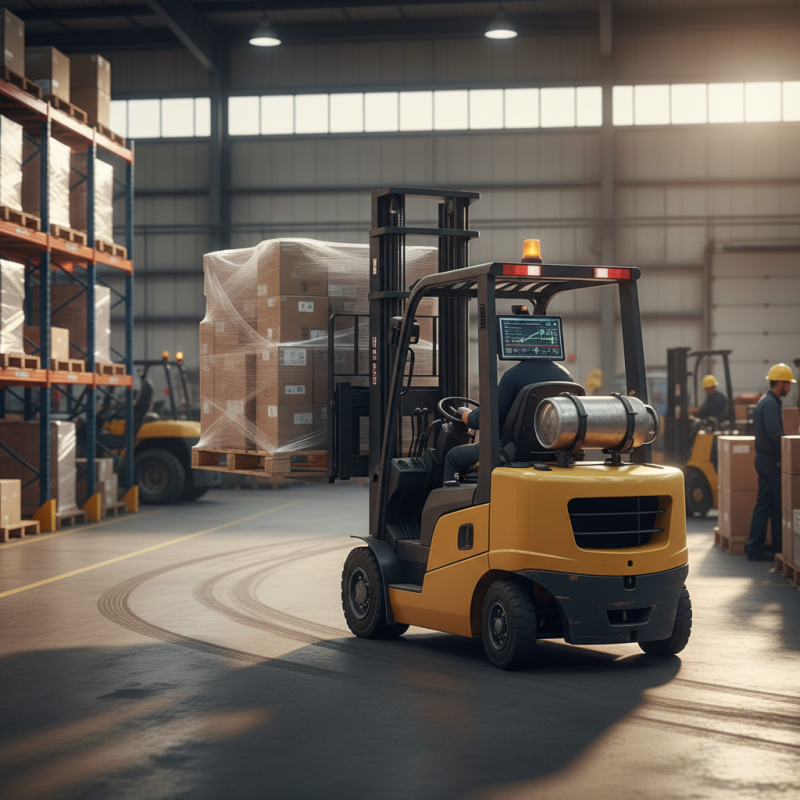
How Much Fuel Does a Diesel Forklift Use Per Hour?

Factors Affecting Diesel Forklift Fuel Consumption Rates

When considering fuel consumption rates for diesel forklifts, several key factors come into play. The condition of the forklift is significant. A well-maintained engine operates more efficiently. Therefore, regular check-ups can lead to better fuel economy. Operators' skills also matter. Experienced operators tend to make smoother turns and avoid unnecessary idling. This not only saves fuel but also prolongs the machine's life.

Load weight affects fuel usage too. Carrying heavy loads can increase consumption by up to 30%. Understanding the weight capacity of your forklift is essential. Additionally, work environment plays a role. Operating on uneven or inclined surfaces can lead to higher fuel consumption. Planning workloads efficiently can mitigate these issues.

Tip: Train operators on fuel-efficient driving techniques. Every small adjustment can lead to cost savings. Additionally, monitor fuel consumption closely. A sudden spike may indicate mechanical issues. Keeping a log of fuel usage can help in identifying patterns and making informed decisions.

Average Fuel Consumption of Diesel Forklifts in Various Industries

When considering diesel forklifts, fuel consumption varies across industries. On average, diesel forklifts consume between 2 to 5 gallons per hour. Variations depend on load weight and operational conditions. Heavier operations usually lead to higher fuel utilization.

In warehouses, where forklifts handle lighter loads, consumption generally falls on the lower end of this spectrum. In contrast, construction sites may see higher consumption due to demanding tasks. Operators must assess their specific needs to choose the right equipment.

Tips: Monitor fuel levels regularly to ensure efficiency. Overlooking small leaks can lead to increased costs. Scheduling maintenance can help optimize fuel consumption. Operators should also consider training on fuel-efficient driving practices to enhance performance further. Small adjustments can make a significant impact over time.

Comparative Analysis: Diesel vs. Electric Forklift Fuel Efficiency

When it comes to fuel efficiency, diesel forklifts and electric forklifts present distinct advantages and challenges. Reports indicate that a standard diesel forklift consumes approximately 2 to 3 gallons of diesel fuel per hour under normal operational conditions. This translates to a significant fuel expense over time, especially in high-demand environments. Diesel engines operate efficiently, but their fuel consumption must be weighed against emissions and environmental concerns.

In contrast, electric forklifts offer another perspective on efficiency. Although they don't consume fuel in traditional terms, their energy consumption translates into costs as well. Studies suggest that electric models can operate for about 8 hours on a single charge, depending on the load and usage patterns. The energy consumption is typically around 1.5 to 2 kilowatt-hours per hour. While they may have a higher upfront cost, the lower operating expenses and reduced maintenance requirements can balance this out.

Considering both options, the choice often hinges on specific needs and operational contexts. Diesel forklifts are powerful and effective for heavy-duty applications. However, they require meticulous management of fuel intake. Electric models, while more sustainable, present challenges in terms of battery life and charging time. Both types warrant careful analysis to determine the most efficient forklift for a given business scenario.

Fuel Consumption of Diesel vs Electric Forklifts

Optimizing Diesel Forklift Fuel Use for Cost Savings and Sustainability

Optimizing fuel use in diesel forklifts is critical for cost savings and environmental sustainability. Diesel forklifts typically consume between 0.5 to 2 gallons of fuel per hour, depending on load and operational conditions. A study by the Industrial Truck Association indicates that optimizing fuel efficiency can lead to a 15% reduction in fuel costs over time. Simple practices like routine maintenance, tire pressure checks, and operator training can substantially improve fuel economy.

Usage patterns can also influence fuel efficiency. For example, idle times can waste fuel. A report from the National Institute for Occupational Safety and Health notes that idling can account for up to 30% of fuel consumption in some operations. Encouraging operators to limit idling and implement efficient driving habits can help reduce overall fuel use.

However, not all measures guarantee immediate results. It may take time to see the benefits of these optimizations. Operators might need to adapt to new routines. Transitioning to more sustainable practices requires commitment. Tracking fuel consumption meticulously can be a good start. Regularly analyzing this data helps identify trends and allows for more informed decisions regarding operations. These insights enable businesses to balance cost-effectiveness with sustainability.

Understanding Diesel Engine Efficiency Ratings in Material Handling Equipment

When evaluating the efficiency of diesel forklifts, understanding diesel engine efficiency ratings is crucial. Diesel engines offer better fuel economy compared to gasoline engines, particularly in heavy load scenarios. According to the U.S. Department of Energy, diesel engines can convert about 40% of fuel energy into useful work, which is higher than the 25% efficiency rate for gasoline engines. This translates into less fuel consumption and lower operating costs over time.

Tips: Regular maintenance can enhance engine efficiency. Change fuel filters and oil on time. Dirty filters can hinder performance.

The fuel consumption of a diesel forklift varies based on workload and operational conditions. On average, these machines consume between 2 to 5 gallons of fuel per hour. Heavy lifting or continuous operation can push this number higher. Factors such as load weight, terrain, and operator skill play significant roles. A recent study indicated that poor driving habits can increase fuel usage by up to 30%. However, regular training on fuel-efficient practices can lead to significant savings.

Tips: Monitor load weight closely. Overloading can lead to excessive fuel consumption. Keep track of fuel usage to identify trends over time.

FAQS

: What factors affect diesel forklift fuel consumption?

: Key factors include the forklift's condition, operator skills, load weight, and work environment.

How does load weight influence fuel usage?

Carrying heavy loads can increase fuel consumption by up to 30%, affecting overall efficiency.

Why is operator training important for fuel efficiency?

Trained operators make smoother turns and avoid idling, leading to fuel savings and extended machine life.

What are typical fuel consumption rates for diesel forklifts?

Diesel forklifts usually consume between 0.5 to 3 gallons of diesel fuel per hour.

How can optimizing fuel use lead to cost savings?

Good practices can reduce fuel costs by 15% over time through routine maintenance and effective driving techniques.

What role does idling play in fuel consumption?

Idling can account for up to 30% of fuel consumption, indicating the need to minimize idle times.

Do electric forklifts consume fuel?

They don't use fuel in the traditional sense, but their energy usage translates into costs.

How long can electric forklifts operate on a single charge?

They can typically function for about 8 hours, depending on load and usage.

Are there trade-offs between diesel and electric forklifts?

Diesel models are powerful but demand careful fuel management; electric models are sustainable but face battery challenges.

How can fuel consumption analytics help businesses?

Keeping a log of fuel usage helps identify patterns and informs decisions, enhancing cost-effectiveness and sustainability.

Conclusion

In evaluating the question of "How much fuel does a diesel forklift consume per hour," various factors come into play, significantly influencing diesel forklift fuel consumption rates. These factors include the type of operation, load weight, and maintenance practices, all of which can vary across industries. For instance, average fuel consumption can differ between warehouses, construction sites, and manufacturing facilities, highlighting the importance of context in fuel efficiency assessments.

Moreover, a comparative analysis between diesel and electric forklifts reveals notable differences in fuel efficiency, emphasizing the advantages of each type depending on the application. Organizations can optimize diesel forklift fuel use through strategies that promote cost savings and sustainability, including routine maintenance and operator training. Additionally, understanding diesel engine efficiency ratings in material handling equipment provides insight into improving performance and reducing environmental impact. Overall, the consumption rates are shaped by multiple variables, making precise answers dependent on specific operational contexts.

Sophia

Sophia

Sophia is a dedicated marketing professional with an exceptional depth of knowledge about her company's products and services. With a keen understanding of market trends and customer needs, she crafts insightful blog posts that not only inform but also engage readers, enriching the company’s online......