Diesel engines are known for their efficiency and power. However, many operators confront an alarming issue: black smoke under load. This phenomenon raises a question that deeply concerns diesel engine users: "Why does my diesel engine emit black smoke under load?" Understanding the underlying causes is crucial for maintaining engine performance.
A report from the Diesel Technology Forum indicates that inadequate combustion is usually the main culprit behind black smoke emissions. This can result from poor fuel quality or improper air-fuel mixture. According to research by the Environmental Protection Agency (EPA), excessive fuel delivery can significantly contribute to this problem. Furthermore, a study revealed that nearly 20% of diesel engines experience black smoke issues, often due to clogged air filters or malfunctioning injectors.
When a diesel engine is under load, the demand for power increases. If the engine is not calibrated correctly, it may struggle to burn the fuel efficiently. This inefficiency leads to an accumulation of unburned fuel, which appears as black smoke. Maintaining proper engine conditions and adhering to manufacturer guidelines can mitigate these symptoms. However, many operators often overlook these aspects, reflecting a need for deeper awareness and preventive measures.
Understanding Diesel Engine Functionality and Emissions
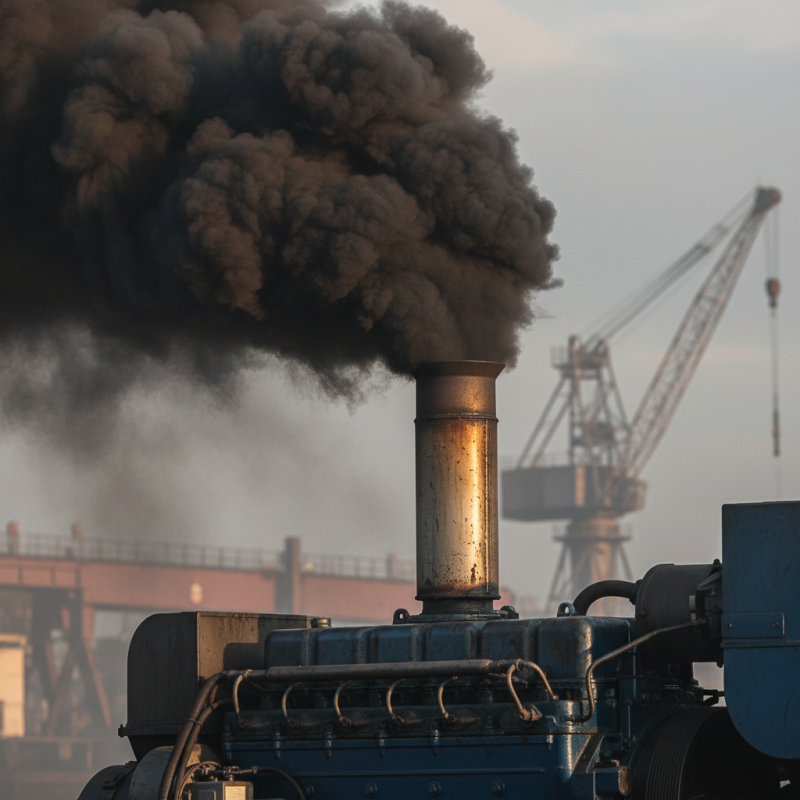
Black smoke from a diesel engine under load typically signals an imbalance in the combustion process. When more fuel is injected than the engine can effectively burn, it results in incomplete combustion. This excess fuel produces carbon particles, leading to the dark smoke you see. Several factors contribute to this issue, including engine design, fuel quality, and air supply.
Understanding diesel engine functionality is key to diagnosing these emissions. Diesel engines rely on compression for ignition and require a precise air-fuel mixture. If the air intake is restricted due to clogged filters or faulty turbochargers, the engine struggles to burn fuel efficiently. It’s essential to ensure that the engine gets sufficient air to maximize combustion. Observing these conditions can help identify whether the issue lies in the air supply or the fuel delivery system.
Sometimes, even slight adjustments can make a difference. Regular maintenance of injectors and air filters can prevent excessive black smoke. Diesel engines may exhibit complex behaviors unique to each scenario. The learning curve here is significant, emphasizing a need for continual examination of engine performance. This process helps to minimize emissions and improve efficiency over time.
Common Causes of Black Smoke Emission Under Load Conditions
Black smoke from a diesel engine under load is a common issue that can stem from various causes. One of the primary reasons is incomplete combustion. When the fuel doesn’t burn fully, it releases unburned hydrocarbons. This happens often when the air-to-fuel ratio is too rich. More fuel than air leads to excess soot production, resulting in black smoke.
Another significant factor is a clogged air filter. A restricted air supply hinders the engine from getting enough oxygen. This restriction causes the engine to work harder while producing more black smoke. Additionally, injector problems can exacerbate the situation. If the fuel injectors are malfunctioning or dirty, they can spray too much fuel into the combustion chamber. This imbalance further contributes to the black smoke emission.
Moreover, turbocharger issues can impact performance under load. A failing turbocharger may not provide adequate boost, leading to poor airflow. This affects overall combustion efficiency. Regular maintenance, like checking filters and fuel injectors, can help. However, many overlook these details, leading to ongoing problems. Understanding these common causes can help diagnose and mitigate black smoke emissions effectively.
Impact of Fuel Quality and Air Intake on Engine Performance
When a diesel engine emits black smoke under load, it often signifies incomplete combustion. This is where fuel quality plays a crucial role. Low-quality diesel can lead to poor atomization in the combustion chamber. If the fuel contains impurities or water, it won't burn efficiently. Consequently, this results in the engine struggling to deliver power.
Air intake is another critical factor affecting performance. An inadequate supply of clean air can cause a rich fuel-air mixture. This imbalance leads to more soot being expelled as black smoke. Inspecting the air filter and intake system regularly is vital. A clogged filter can restrict airflow, worsening the problem.
These issues suggest a deeper reflection on maintenance practices. Often, users overlook the importance of regular checks. Simple actions, like monitoring fuel quality and ensuring proper air intake, can enhance performance. Engines demand attention to detail. Ignoring these factors may lead to chronic issues and decreased efficiency. Ensure your engine runs smoothly by prioritizing these fundamental aspects.
Why Does My Diesel Engine Emit Black Smoke Under Load? - Impact of Fuel Quality and Air Intake on Engine Performance
| Parameters |
Measurement |
Impact on Black Smoke Emission |
| Fuel Type |
Diesel B7 |
Lower emissions compared to higher biofuel blends |
| Cetane Number |
45 |
Higher cetane number reduces ignition delay, minimizing black smoke |
| Air-Fuel Ratio |
18:1 |
Lower ratios contribute to incomplete combustion and increased smoke |
| Turbocharger Condition |
Optimal |
Improves air intake, reducing black smoke |
| Air Filter Condition |
Clean |
Maintains adequate airflow, preventing black smoke |
| Engine Load |
Heavy Load |
Higher load increases fuel demand, potentially increasing soot output |
| Injector Condition |
Worn |
Poor atomization leads to incomplete combustion and more smoke |
Diagnosing and Troubleshooting Black Smoke Issues in Diesel Engines
Black smoke from a diesel engine under load is often a sign of incomplete combustion. This can occur due to several factors, including a poor air-to-fuel ratio. Common culprits include clogged air filters and faulty fuel injectors. According to industry reports, black smoke can increase fuel consumption by up to 30%, highlighting the importance of addressing this issue quickly.
One key diagnostic step is to check the air intake system. A blocked or dirty air filter restricts airflow, leading to a rich fuel mix. This can result in higher emissions and decreased performance. Inspecting the fuel injectors is equally critical. Worn or leaking injectors can lead to over-fueling, contributing to black smoke production. Regular maintenance is essential for optimal engine performance.
#### Tips:
- Clean or replace air filters every 10,000 miles.
- Regularly test fuel injectors for proper function.
- Monitor engine temperature; overheating can exacerbate smoke issues.
If these steps don’t resolve the problem, deeper issues may exist, such as a malfunctioning turbocharger or worn piston rings. These factors require professional diagnosis. Ignoring black smoke can lead to extensive engine damage over time. Understanding the root cause is vital for effective solutions and improved engine longevity.
Diesel Engine Black Smoke Emission Analysis
This chart illustrates the different causes of black smoke emissions in diesel engines under load conditions based on diagnostic assessments. The data points represent the percentage contribution of each potential cause.
Preventative Measures to Reduce Black Smoke Emission in Diesel Engines
Black smoke emissions from diesel engines under load are a common issue. This can indicate incomplete combustion of fuel, often caused by several factors. Understanding these factors can help mitigate the problem effectively.
One effective preventative measure is regular maintenance. Experts recommend changing fuel filters annually to ensure optimal fuel flow. Dirty filters can limit fuel supply, leading to poor combustion. Poorly maintained engines are likely to emit more black smoke. A report from the Diesel Technology Forum states that consistent maintenance can improve engine performance by up to 20%.
Another key measure is adjusting the air-to-fuel ratio. Diesel engines require a specific balance for efficient operation. Inadequate air supply can cause black smoke; this usually happens when turbochargers malfunction. Installing a high-quality air filter can enhance airflow and reduce emissions. A study by the Environmental Protection Agency highlights that optimizing air supply can decrease black smoke production by nearly 30%.
Additionally, consider using quality fuel with proper additives. Low-quality fuel can lead to excessive soot formation. Using cleaner fuels can minimize emissions and maintain engine health. Awareness of these practices is vital; many drivers underestimate their impact. Proper attention can lead to a significant reduction in black smoke emissions.
Conclusion
The article "Why Does My Diesel Engine Emit Black Smoke Under Load?" explores the various factors contributing to black smoke emissions in diesel engines, particularly when operating under load conditions. It begins by providing an understanding of diesel engine functionality and the mechanisms behind emissions. Common causes of black smoke include insufficient air supply, poor fuel quality, and malfunctioning injectors, all of which are discussed in detail.
Additionally, the article emphasizes the importance of fuel quality and air intake in optimizing engine performance. It offers practical guidance for diagnosing and troubleshooting black smoke issues, including checking for blocked air filters and assessing fuel delivery systems. Finally, the piece outlines preventative measures that can be taken, such as regular maintenance and using high-quality fuels, to minimize black smoke emissions, ultimately enhancing the engine's efficiency and reducing environmental impact.

 Neto Forklifts