10 Best Ways to Clean a Radiator on Heavy Construction Equipment?

Time:2026-06-19 Author:Ethan
0%

Cleaning the radiator on heavy construction equipment is vital for optimal performance. The buildup of dirt, debris, and grime can hinder cooling efficiency, leading to overheating and costly repairs. Knowing how to clean a radiator on heavy construction equipment is crucial for operators and maintenance professionals alike. A neglected radiator can decrease the lifespan of the machine and ultimately affect productivity.

Regular maintenance not only enhances equipment longevity but also ensures safety on the job site. Effective cleaning methods preserve engine health and improve fuel efficiency. Sometimes, operators overlook this task, believing it is unnecessary. However, a clean radiator can make a noticeable difference in how well your machinery functions.

While cleaning a radiator may seem straightforward, there are common pitfalls to avoid. Using improper cleaning techniques can damage the delicate fins or inadvertently push debris deeper into the system. Therefore, understanding the best practices for radiator cleaning is essential for anyone working with heavy construction equipment.
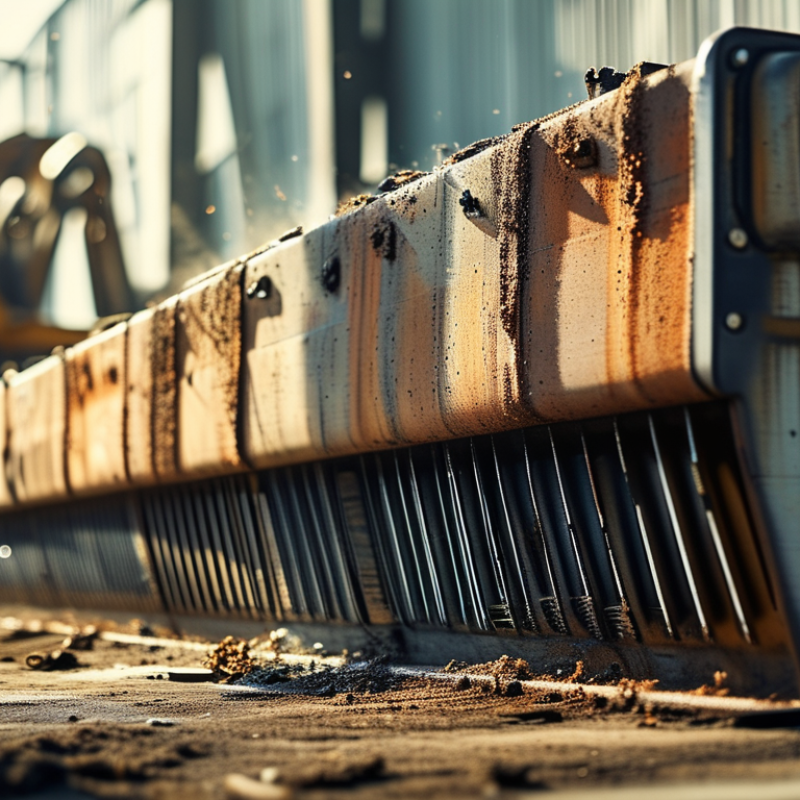
10 Best Ways to Clean a Radiator on Heavy Construction Equipment?

Importance of Regularly Cleaning Radiators in Heavy Construction Equipment

Regularly cleaning radiators in heavy construction equipment is crucial to maintaining optimal performance. A clogged radiator can lead to overheating, causing equipment failure. This not only disrupts work but also incurs costly repairs. Dirt and debris collect in radiators over time, obstructing airflow. Even minor blockages can significantly reduce cooling efficiency.

Proper maintenance requires frequent inspections. Look for any buildup of dust or particles. Cleaning should be part of regular servicing. It's not just about cleaning; it's about understanding the equipment's needs. If ignored, overheating can lead to engine damage. This, in turn, affects productivity and increases downtime.

Using the right cleaning techniques is important. Air pressure can help remove loose debris, but be cautious. Excess force can damage the fins. Water can wash away grime, but thorough drying is essential to prevent rust. Sometimes, the cleaning process can feel inadequate. Striving for perfection in maintaining these systems is a continuous journey. Regular cleaning routines can lead to better equipment reliability and longevity.

10 Best Ways to Clean a Radiator on Heavy Construction Equipment

Method Description Frequency Notes
High-Pressure Water Use a high-pressure water spray to remove dirt and debris. Monthly Ensure equipment is cooled down before cleaning.
Chemical Cleaners Apply specialized chemical solutions for tough grime. Quarterly Follow manufacturer’s safety guidelines.
Air Compressor Blow out the radiator with compressed air to remove dust. Biweekly Use at a safe distance to avoid damage.
Brush Cleaning Gently brush the fins using a soft-bristle brush. Monthly Avoid using metal brushes to prevent damage.
Vacuum Use a vacuum with a hose attachment to suck out debris. Monthly Best for light dust accumulation.
Detergent Wash Use mild detergent mixed with water for a deeper clean. Every six months Rinse thoroughly to remove all detergent.
Inspect for Damage Regularly check for bent fins or leaks. Weekly Address any damage immediately.
Flush Radiator Flush the radiator system with coolant flush chemicals. Annually Can help remove sediment buildup.
Professional Servicing Hire professionals for thorough radiator service. As needed Recommended for older equipment.
Maintain Fluid Levels Regularly check and maintain the proper coolant levels. Weekly Low coolant can lead to overheating.

Step-by-Step Guide to Safely Accessing the Radiator for Cleaning

Cleaning a radiator on heavy construction equipment is crucial for optimal performance. To safely access the radiator, begin by parking the equipment on a level surface. Turn off the engine and let it cool down completely. Always wear protective gloves and goggles. These precautions minimize the risk of burns or injuries.

Next, remove any protective covers or guards that shield the radiator. Check for visible dirt and debris. Use a vacuum or compressed air for initial cleaning. Be careful with the air pressure; too much force can damage delicate components. After removing the surface debris, you can see if deeper cleaning is necessary. Remember, thoroughness is key.

When cleaning, take your time. Rushed work can lead to safety hazards, oversights, or damage. Inspect hoses and connections for wear or leaks. Consider this a preventive maintenance step rather than just a cleaning process. Once the radiator is clean, reinstall any covers securely. Regular access to the radiator allows for better maintenance and enhances equipment longevity.

Effective Cleaning Techniques for Different Radiator Types

Cleaning radiators on heavy construction equipment requires specialized techniques tailored to various radiator types. For instance, core type radiators often require a thorough flush. Using a diluted radiator cleaner, you can remove debris effectively. This method maintains optimal heat transfer, which is crucial for performance.

In contrast, tube type radiators often gather debris in their narrow passages. A gentle air blast can dislodge stubborn particles without damaging delicate components. According to industry reports, improper cleaning methods can reduce radiator efficiency by up to 30%. Maintenance teams should regularly inspect the condition of rubber hoses, as wear can lead to leaks.

Lastly, pressure washing can be an effective technique for both radiators. However, care must be taken to avoid excessive force. This can cause physical damage or misalignment. It's important to have a consistent cleaning schedule based on the working conditions. This will ensure equipment longevity and reduce costly downtimes.

Post-Cleaning Maintenance Tips to Prolong Radiator Life

Cleaning the radiator on heavy construction equipment is essential for optimal performance. However, post-cleaning maintenance is equally important. To prolong the radiator’s life, ensure thorough inspections after cleaning. Always check for any loose connections or leaks. A small leak can escalate into a significant problem if neglected. Regularly tighten hoses and clamps to prevent wear and tear.

Next, keep an eye on cooling fluids. Maintaining the correct fluid levels helps in efficient heat dissipation. Consider using a proper coolant mixture to protect against corrosion. It's also wise to schedule routine maintenance every few months. This includes flushing the radiator system. Over time, debris can build up, reducing efficiency. Paying attention to these details can save costly repairs down the line.

Finally, ensure proper airflow around the radiator. Remove any obstructions near the equipment. This is an often-overlooked step that can significantly impact cooling performance. A well-maintained radiator can prevent engine overheating. Remember, consistent care is better than reactive measures. Regular maintenance ensures longevity and reliability for your machinery.

10 Best Ways to Clean a Radiator on Heavy Construction Equipment

Signs You Need Professional Help with Radiator Cleaning

When it comes to cleaning radiators on heavy construction equipment, knowing when to call a professional is crucial. If you notice a drop in engine performance or overheating, it’s a sign that dirt and debris may be obstructing airflow. A dirty radiator can lead to severe mechanical failures. Ignoring these signs could result in costly repairs down the line.


Another red flag appears if you see leaks or fluid stains around the radiator area. This indicates possible corrosion or serious damage that needs immediate attention. Additionally, if the equipment consistently runs hotter than usual, it may not be just a dirty radiator. Relying solely on DIY cleanings could overlook deeper issues, suggesting it’s time for a professional diagnostic.


Inspecting the radiator frequently can prevent more significant problems. However, if you're uncertain about the cleaning process or the condition of your equipment, seeking professional help is wise. Well-trained technicians bring the experience needed to address complex issues properly. They ensure that your heavy machinery remains functional and safe for use on the job site.

FAQS

: Why is it important to regularly clean radiators in heavy construction equipment?

: Regular cleaning maintains optimal performance and prevents overheating, avoiding costly repairs and downtime.

What can happen if a radiator is clogged?

A clogged radiator can significantly reduce cooling efficiency, causing engine damage and increased productivity issues.

How often should radiators be inspected?

Frequent inspections for dust or debris buildup should be part of regular servicing to avoid performance drops.

What techniques can be used for cleaning radiators?

Use air pressure to remove debris carefully. Water can wash grime away, but ensure thorough drying to prevent rust.

What should be checked after cleaning the radiator?

Inspect for loose connections or leaks and maintain proper fluid levels to ensure efficient cooling.

How can one prolong the life of a radiator?

Regularly tighten hoses, flush the radiator system, and ensure there are no airflow obstructions to enhance efficiency.

When should one seek professional help for radiator issues?

If there’s overheating, leaks, or consistent drops in performance, it’s wise to consult a professional for diagnostic assistance.

What are the consequences of neglecting small radiator problems?

Small leaks or debris can escalate into significant issues, leading to severe mechanical failures and costly repairs.

Is DIY cleaning always sufficient for radiator maintenance?

No, relying solely on DIY may overlook deeper issues. Professional assessments can ensure proper treatment of complex problems.

How does proper airflow affect radiator performance?

Maintaining proper airflow by removing obstructions is crucial. It significantly impacts the cooling performance and prevents overheating.

Conclusion

Regular maintenance of radiators in heavy construction equipment is crucial to ensure optimal functioning and prevent overheating. Understanding how to clean a radiator on heavy construction equipment involves a structured approach that begins with safely accessing the radiator. Following a step-by-step guide, operators can implement effective cleaning techniques tailored to various radiator types, ensuring thorough dirt and debris removal.

In addition to cleaning, post-cleaning maintenance is essential for prolonging the life of the radiator. This includes routine inspections and monitoring for signs of wear. If issues arise, such as persistent overheating or unusual noises, it may be time to seek professional help with radiator cleaning. By prioritizing these practices, equipment operators can enhance equipment performance and longevity.

Ethan

Ethan

Ethan is a seasoned marketing professional with a deep expertise in our company's innovative product line. With a passion for sharing knowledge and insights, he takes the lead in regularly updating our corporate blog, where he explores industry trends, product features, and effective marketing......