When considering heavy machinery for construction projects, the choice between tracked and wheeled excavators is significant. Both types have distinct advantages, making the decision challenging. What is the difference between tracked and wheeled excavators? Tracked excavators, with their robust tracks, offer superior stability and traction on uneven terrain. They are ideal for muddy or rugged job sites. Conversely, wheeled excavators are more versatile on smooth surfaces. Their speed and mobility make them suited for urban environments.
Specific projects may favor one type over the other. For instance, if your work involves heavy lifting on soft ground, tracked models excel. However, for tasks that require frequent road travel, wheeled excavators might be the better option. Understanding this distinction is crucial, yet many overlook it. Reflecting on project needs can prevent costly mistakes. Machinery selection is not merely about brand or price; it’s about matching equipment to work conditions. Making an informed choice could significantly enhance efficiency and productivity on your site.
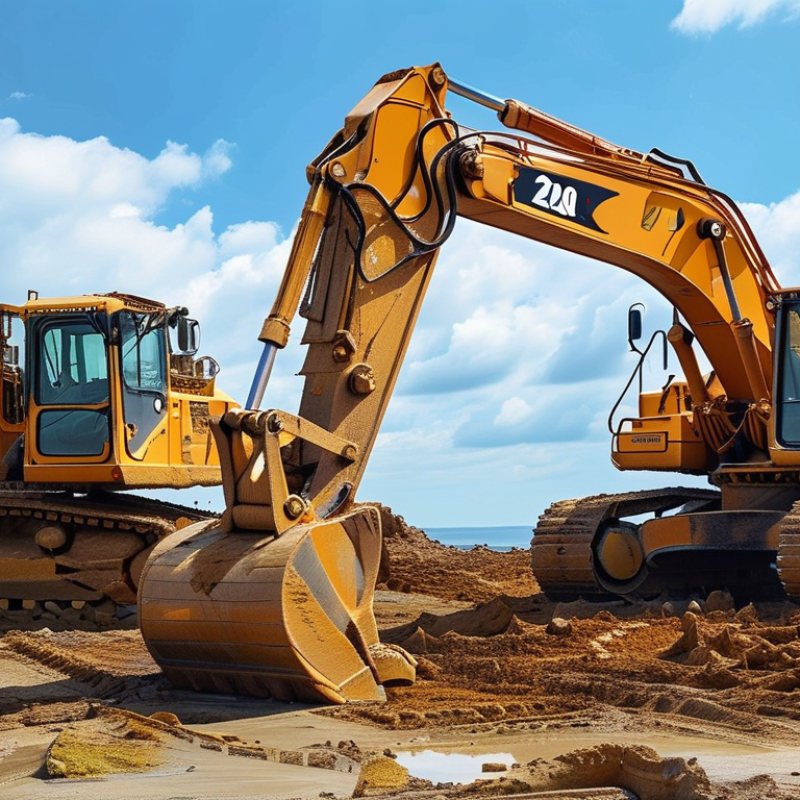
Tracked and wheeled excavators serve distinct purposes in construction. Understanding their differences helps operators choose the right type for their needs. Tracked excavators excel in rough terrain. Their crawler tracks distribute weight and improve stability on soft ground. This makes them ideal for construction sites with uneven surfaces.
On the other hand, wheeled excavators are faster. They are more mobile on paved or firm surfaces, making them suitable for urban environments. However, their stability decreases on rough terrain. According to a report by Grand View Research, the tracked excavator segment is predicted to grow at a CAGR of over 4% from 2023 to 2030 due to their efficiency in challenging conditions.
Tip: Consider your job site conditions before deciding. If your work involves rough terrain, tracked models are better. For city jobs, wheeled options are often preferred. Always evaluate the equipment’s weight and lift capacity too. This can impact performance significantly. Some users express dissatisfaction with maintenance costs associated with tracked excavators, which can be higher compared to wheeled models. Reviewing these operational costs is essential for long-term planning.
This chart compares the key performance metrics of tracked and wheeled excavators in the year 2026. It highlights aspects such as stability, maneuverability, maintenance costs, and versatility.
Tracked excavators excel in diverse terrain conditions. Their design allows for better stability and weight distribution. In muddy or uneven landscapes, tracked machines offer superior traction. This is crucial for heavy-duty tasks and ensures safety for operators. According to industry reports, tracked excavators perform 30% better in soft ground compared to wheeled counterparts.
One key advantage is their ability to navigate difficult terrains. They can easily move across hills, ditches, and rugged ground. A study from Construction Equipment suggests that tracked excavators reduce the risk of damage to the work site. This leads to less operational downtime. Operators find that tracked units provide consistent performance, even on steep slopes. However, they also have increased maintenance needs due to wear and tear on tracks.
In urban projects, tracked excavators face challenges. Their size can limit access to narrower streets. Not all work sites are designed for their capabilities, which may slow progress. Despite these limitations, their adaptability in various conditions remains a significant factor. Professionals often weigh these pros and cons before making equipment choices.
Wheeled excavators offer significant advantages for urban and paved surfaces. Their mobility enhances efficiency in busy cities. According to a recent industry report by the American Rental Association, wheeled excavators can travel up to 25% faster than tracked models on hard surfaces. This speed leads to shorter project timelines, which can be crucial in urban setups where time is money.
Moreover, they cause less ground disturbance. Studies show that wheeled excavators exert lower ground pressure, minimizing damage. This feature is beneficial when working on delicate landscapes or beneath existing infrastructures. However, operators should be mindful of site limitations, as maintaining stability on uneven terrains can be a challenge.
Wheeled excavators also require appropriate maintenance for optimal performance. While they are designed for durability, neglecting regular checks can lead to costly repairs. A report from the Construction Industry Research Board highlights that consistent upkeep can increase a wheeled excavator's lifespan by up to 30%. Ultimately, using wheeled excavators makes sense in urban environments, provided the operator considers both their advantages and limitations carefully.
When choosing between tracked and wheeled excavators, cost analysis plays a significant role. According to a report by the Equipment Rental Association, tracked excavators generally have a higher initial purchase cost. On average, they can cost up to 20% more than their wheeled counterparts. This premium price is due to their robust undercarriage, which enhances stability on uneven terrain.
Operating costs also differ between the two types. Tracked excavators tend to have higher fuel consumption, especially on flat surfaces. According to a survey by the Association of Equipment Manufacturers, with tracked models using 10-15% more fuel than wheeled models, this can quickly add up over time. Conversely, wheeled excavators are more efficient on paved surfaces. Their operational flexibility can save costs in urban settings.
Maintenance is another crucial aspect. Tracked excavators require more frequent maintenance due to wear on tracks and rollers. A study indicated that maintenance costs could increase by 30% for these machines over five years compared to wheeled excavators. Understanding these financial dynamics can guide purchasing decisions effectively.
As the excavator industry evolves, 2026 shows promising trends and innovations that reshape technology. The rise of integrated telematics systems permits seamless data collection and analysis, ultimately enhancing operational efficiency. A report by Global Market Insights suggests that the telematics market within heavy machinery is expected to grow by over 15% annually. This growth indicates a strong shift toward smarter machinery.
Excavators are also becoming more fuel-efficient. Innovations in engine design and hybrid technology lead to reduced emissions and lower operational costs. A study from the International Energy Agency highlighted that hybrid models can reduce fuel consumption by up to 30%. Such advances not only support environmental goals but are also financially beneficial in the long run.
Tip: When choosing between tracked and wheeled excavators, consider your project’s terrain and required mobility.
The incorporation of artificial intelligence in excavators allows for better predictive maintenance. Equipment can now monitor its own health, reducing downtime and enhancing reliability. A report from McKinsey noted that predictive maintenance practices can reduce maintenance costs by 20%.
Tip: Prioritize models with AI capabilities to maximize uptime and efficiency.
Investing in modern technology doesn’t come without challenges. Older equipment may struggle with integration, and training staff on new systems can be resource-intensive. However, these obstacles should be weighed against the potential benefits of adopting cutting-edge technology.
| Feature | Tracked Excavators | Wheeled Excavators |
|---|---|---|
| Mobility | Excellent off-road capabilities | Faster on paved surfaces |
| Stability | Stable on uneven terrain | Less stable on rough ground |
| Maintenance | Higher maintenance due to tracks | Lower maintenance costs |
| Cost | Generally more expensive | More affordable options available |
| Versatility | Highly versatile for various terrains | Ideal for urban environments |
| Fuel Efficiency | Generally less fuel-efficient | Better fuel efficiency |
: They provide superior traction and stability, essential for heavy-duty tasks in uneven landscapes.
Yes, operators report consistent performance on steep slopes, enhancing safety and efficiency in operations.
They have increased maintenance needs due to wear and tear on tracks, which can complicate ongoing operations.
Tracked excavators can cost up to 20% more upfront due to their robust undercarriage designed for stability.
No, they typically consume 10-15% more fuel, especially on flat surfaces, which impacts long-term operating costs.
Their size may limit access to narrow streets, potentially slowing down project progress despite their adaptability.
Yes, maintenance costs can increase by 30% over five years due to frequent servicing needs.
Their design minimizes ground pressure, which helps protect the integrity of the work site during operations.
Yes, they excel at moving across hills and ditches, making them suitable for challenging environments.
Yes, their adaptability is significant, but operators must consider both advantages and limitations during equipment choices.
The article titled "2026 Best Tracked vs Wheeled Excavators: Which One to Choose?" provides a comprehensive analysis of the key differences between tracked and wheeled excavators. It begins with an overview that highlights the fundamental distinctions between the two types, addressing aspects such as mobility, stability, and operational efficiency. Readers will gain insights into the advantages of tracked excavators, particularly in handling varied terrain conditions, and the benefits offered by wheeled excavators for urban and paved surfaces.
Additionally, the article delves into a cost analysis that compares purchasing and operating expenses for both excavator types. It also explores current industry trends and innovations that are shaping excavator technology in 2026. Ultimately, a pivotal question is posed: "What is the difference between tracked and wheeled excavators?" This key inquiry guides the reader through the nuances of selecting the most suitable excavator type for specific applications and environments, ensuring informed decision-making.

Neto Forklifts