When it comes to heavy-duty equipment like rough terrain forklifts, tire condition plays a vital role in performance and safety. Understanding when to replace tires on a rough terrain forklift is crucial for optimal operation. Expert Justin Davies, a leading voice in forklift maintenance, states, “Tire wear can directly impact stability and efficiency on uneven surfaces.” This highlights the importance of regular assessments.
According to industry reports, tires on rough terrain forklifts should be inspected every 500 hours of operation. Signs of wear include visible cracks, bald spots, or loss of tread depth. These indicators can compromise the functionality of the forklift, especially in rugged settings. Maintaining tire integrity minimizes accidents and enhances load handling.
Many operators overlook tire health, focusing instead on other areas of maintenance. However, neglecting tires can lead to unexpected downtime and financial losses. Operators should adopt a proactive approach, regularly checking tire conditions. A keen eye on this aspect ensures safety and efficiency, promoting a longer lifespan for both tires and machinery.
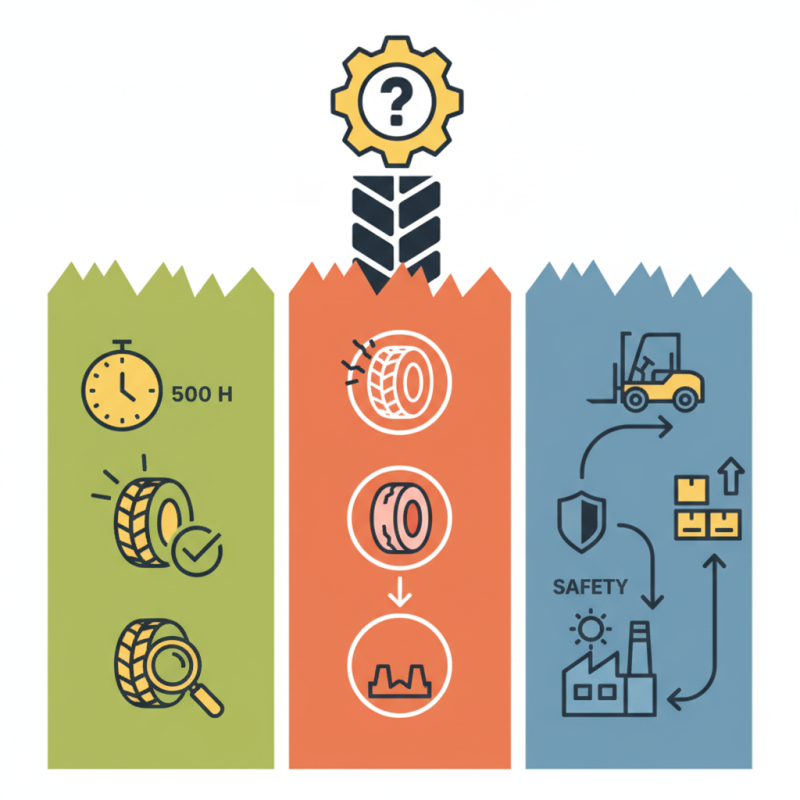
Regular monitoring of tire condition is vital for rough terrain forklifts. These machines encounter challenging surfaces daily. A thorough visual inspection can reveal cracks, wear, and bulges. It is crucial to check the tread depth as well. Uneven wear might indicate misalignment or improper inflation.
Using a tire pressure gauge is a simple practice that can prevent serious issues. Low pressure can lead to faster wear. Over-inflation may cause tires to burst under heavy loads. Checking pressure weekly can help maintain optimal performance. Proper tire rotation also extends tire life. Consider moving front tires to the back periodically.
Keep a maintenance log to track tire conditions over time. Noting any changes provides insight into when replacements are necessary. Observing tire performance can guide you toward a replacement timeline. Ignoring these signs may lead to costly downtime or accidents. Always prioritize safety and efficiency in your operations. Regular attention to tire health is an investment in productivity.
When considering tire replacements for rough terrain forklifts, several key indicators signal the right time for action. The harsh conditions these forklifts endure result in greater wear on tires. A recent industry report found that 30% of forklift accidents are linked to poor tire conditions. Regular inspections can help identify issues early. Look for visible wear patterns, cuts, or punctures on tires. Overheating due to excessive friction can also affect performance.
Additionally, pay attention to traction performance. If forklifts struggle to maintain grip, it could indicate that tire tread depth has decreased significantly. Industry standards recommend a minimum tread depth of 1.6 mm. Once this threshold is reached, replacement should be prioritized. Inconsistent performance may also point to underlying tire problems that need addressing.
Another factor to monitor is the balance of the forklift. Uneven wear can lead to operational inefficiencies. An analysis showed that misbalanced tires can reduce fuel efficiency by 15%. Evaluating tire age is important, too. Tires typically have a lifespan of five to seven years, regardless of tread wear. Regularly revisiting these indicators maximizes safety and efficiency in operations.
Tire wear significantly affects the performance and safety of rough terrain forklifts. As tires age, their tread depth decreases, reducing traction and stability. According to the National Institute for Occupational Safety and Health (NIOSH), inadequate tire performance contributes to 23% of forklift-related accidents. Over time, worn tires increase the risk of accidents, especially on uneven surfaces.
Monitoring tire conditions is crucial. The American National Standards Institute (ANSI) recommends replacing tires when tread depth reaches 0.5 inches. This threshold is important for maintaining optimal grip and ensuring safe operation. However, many operators neglect regular inspections, leading to unanticipated breakdowns and potential injuries. A study showed that 35% of operators reported insufficient tire maintenance practices in their facilities.
Furthermore, the financial aspect cannot be overlooked. Approximately 40% of businesses face unexpected repair costs due to poor tire condition. Investing in regular tire checks can enhance safety and reduce long-term expenses. Operators should prioritize tire integrity to ensure both efficiency and protection in challenging environments.
When it comes to replacing tires on rough terrain forklifts, following industry standards is crucial. According to a report from the Occupational Safety and Health Administration (OSHA), the average lifespan of forklift tires in harsh conditions is typically between 1,000 to 2,000 hours of operational use. However, this can vary significantly based on the specific work environment and the weight being handled.
In facilities with uneven surfaces and heavy loads, tire wear accelerates dramatically. Regular inspections should occur at least monthly to assess tread depth and sidewall condition. Research from the American National Standards Institute (ANSI) suggests that a minimum tread depth of 1/8 inch is vital for maintaining traction and safety. Beyond visual checks, operators should also be trained to recognize signs of cuts, bulges, or air loss, which can indicate the need for immediate replacement.
Neglecting timely tire replacement can lead to performance issues. Forklifts may become less stable, increasing the risk of accidents. Data indicates that improper tire maintenance is a leading cause of workplace injuries involving forklift operations. Companies should keep thorough maintenance records to track tire conditions and replacement timelines effectively. This vigilance not only enhances safety but also boosts operational efficiency.
Timely tire replacement is essential for rough terrain forklift operations. According to industry reports, up to 30% of maintenance issues in these vehicles result from worn-out tires. Poor tire condition leads to increased downtime and affects productivity. A forklift can lose up to 15% efficiency if the tires are not suited for the environment, impacting overall operations.
Cost analysis indicates that delaying tire replacement can lead to higher long-term expenses. Worn tires can cause uneven wear on other components, leading to costly repairs that outweigh the cost of preventive tire replacement. A study by the Industrial Truck Association noted that investing in proper tire management can save up to 25% in maintenance costs annually.
Operators must consider the specific terrain and usage of the forklift. An inappropriate tread design can compromise traction and stability. Regular inspections, ideally every month, should be part of the routine. However, many operators overlook this step, risking not just their equipment, but also safety. Reliable data shows that timely intervention could prevent up to 60% of tire-related accidents, making it a crucial aspect of operational efficiency.
| Tire Condition | Recommended Action | Cost of Replacement ($) | Potential Downtime (Days) | Impact on Operations |
|---|---|---|---|---|
| New (0-10% Wear) | No Action Needed | 0 | 0 | Optimal Performance |
| Slightly Worn (10-30% Wear) | Monitor Regularly | 300 | 1 | Slight Decrease in Efficiency |
| Moderately Worn (30-50% Wear) | Replace Tires | 600 | 2 | Noticeable Impact on Operations |
| Severely Worn (50-80% Wear) | Replace Immediately | 900 | 3 | High Risk of Accidents |
| Very Worn (80-100% Wear) | Replace Immediately | 1200 | 5 | Severe Operational Disruption |
: Regular checks prevent serious issues, like accidents or equipment damage. These machines face tough surfaces daily.
Visual checks for cracks, wear, and bulges are essential. Don't forget to examine tread depth regularly.
Weekly checks are recommended. Low pressure leads to faster wear, while over-inflation can cause tires to burst.
Worn tires reduce traction and stability, increasing accident risk. Neglecting tire maintenance is risky for operators.
Delayed replacement can lead to higher costs. Worn tires cause uneven wear on parts, leading to expensive repairs.
Investing in tire management can save up to 25% in maintenance costs annually. Regular replacements enhance productivity too.
The threshold is 0.5 inches according to industry standards. Ignoring this can lead to inadequate grip and safety issues.
Different terrains require specific tread designs. Wrong choices can compromise safety and efficiency.
Monthly inspections are ideal, yet many operators neglect this. Regular checks help avoid breakdowns and accidents.
Keeping a maintenance log reveals when replacements are necessary. Ignoring this knowledge may lead to costly downtime.
When determining when to replace tires on a rough terrain forklift, it is crucial to regularly monitor tire condition using best practices. Key indicators include checking for uneven wear, cracks, and tread depth, as these factors significantly influence the forklift's performance and safety. Timely replacement not only enhances operational efficiency but also mitigates safety risks associated with degraded tire performance.
Industry standards often guide the frequency of tire replacements, suggesting that regular assessments can prevent unexpected failures and prolong equipment lifespan. Conducting a cost-benefit analysis reveals that proactive tire replacement can lead to significant savings over time by minimizing downtime and reducing maintenance costs. Ultimately, knowing when to replace tires on a rough terrain forklift is essential for maintaining optimal performance and ensuring safe operations.

Neto Forklifts