Rubber tracks carry heavy loads across soil, gravel, concrete, and uneven work sites. Their service life depends on daily operating habits, correct maintenance, and timely inspection. This guide explains How to extend the lifespan of rubber tracks in modern excavators, skid steer loaders, and compact construction equipment.
Small habits matter. Remove trapped stones, mud, and metal debris before they harden around the sprocket and rollers. Check track tension according to the equipment manufacturer’s specifications. Excessive tension increases friction and heat, while loose tracks may derail or suffer uneven wear. Inspect the tread, guide lugs, sidewalls, and steel cables after demanding work. Cracks, exposed cords, missing tread sections, or abnormal stretching need professional attention.
Operating conditions also shape track performance. Sharp rubble, asphalt edges, chemical spills, and prolonged turning on concrete can accelerate deterioration. Use gradual turns when possible. Avoid unnecessary counter-rotations. Park equipment away from direct sunlight, fuel, solvents, and extreme heat. Keep maintenance records with operating hours, inspection findings, and replacement dates. These details help reveal recurring problems.
No maintenance plan is perfect. I have seen clean tracks fail early because incorrect tension was ignored. I have also seen older tracks remain reliable through careful operation and regular inspections. Always compare practical observations with the manufacturer’s service manual. When wear patterns seem unusual, ask a qualified technician to inspect the undercarriage. That small decision can prevent expensive downtime and improve workplace reliability.
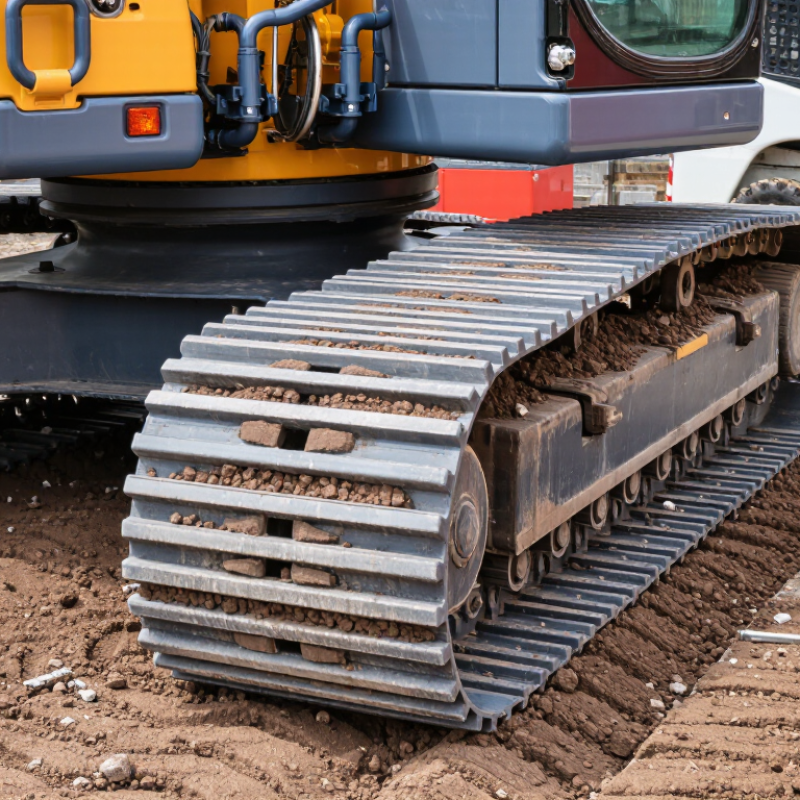
2026 Top Guide: How to Extend the Lifespan of Rubber Tracks?
Rubber track construction combines steel cords, textile layers, bonding rubber, and a tread pattern. Steel cords carry tension around the undercarriage. The outer rubber absorbs impact from stones and uneven ground. ISO 4649 abrasion testing shows why compound quality matters, but laboratory wear cannot fully predict field life. Field-service reports commonly place compact-equipment track life near 1,200–2,000 operating hours. Soil, loading, and maintenance can change that range sharply.
Track tension is a major service-life factor. Excessive tension increases rolling resistance and heat around the sprocket. Loose tracks can derail, slap, and damage guide lugs. Check tension against the equipment maker’s measured sag, not visual judgment. Keep the undercarriage clean. Packed clay acts like a brake and raises heat. Sharp concrete edges cut the tread blocks. Turning on hard surfaces also creates sideways shear, especially with heavy attachments.
Small habits matter.
Inspect daily for exposed cords, missing lugs, and uneven wear. Measure sprocket and roller wear during scheduled servicing. ASTM D2240 hardness testing helps compare rubber compounds, but hardness alone does not prove durability. A harder track may resist abrasion yet crack sooner in cold conditions. That assumption deserves caution. Operators should record hours, ground conditions, loads, and turning habits. Without those records, replacing tracks becomes educated guessing rather than reliable maintenance.
The chart uses a relative service-life index, where 100 represents normal operation on firm, clean ground with correct track tension. Abrasive surfaces, frequent counter-rotation, excessive heat, and incorrect tension can accelerate wear. Regular cleaning, correct adjustment, and smooth turning help extend rubber track life.
2026 Top Guide: How to Extend the Lifespan of Rubber Tracks?
Inspect rubber tracks before every shift, especially after working on rough or muddy ground. Walk around the machine and check for cuts, exposed cords, missing tread blocks, and uneven wear. Look closely between the track lugs. Small stones, wire, and hardened clay can remain hidden there.
Check the sprocket, rollers, and idler for packed soil or damaged parts. Confirm track tension according to the equipment manual, because excessive tension accelerates wear. Loose tracks may derail during operation. Measure rather than guess. A simple maintenance record can include operating hours, photographs, and unusual noises. This creates useful evidence for service decisions.
Clean the tracks with low-pressure water after each demanding job. High-pressure spray can force grit behind seals or damage rubber edges. Use a stiff nylon brush for stubborn mud, then allow the tracks to dry before storage. Avoid petroleum-based cleaners, sharp tools, and open flames. I once overlooked a thin sidewall cut because the track was still dirty. That mistake reminded me to inspect clean surfaces under good lighting. If a crack grows, cords appear, or movement becomes uneven, stop the machine and request a qualified inspection. Recheck after cleaning; dirt can hide problems, but washing can also reveal them.
Rubber tracks last longer when operation matches ground conditions and machine limits.
Sharp turns create heat and sidewall stress. Make wide, gradual turns whenever space allows. Avoid pivot steering on concrete or asphalt. It can grind tread edges within minutes.
Before moving
inspect tension, tread blocks, guide lugs, and trapped stones. A quick check often reveals damage early.
Load management is equally important. Carrying excessive weight increases track compression and internal tension. Keep the bucket or attachment low during travel. Accelerate and brake smoothly, especially with a full load. Sudden movements can stretch the track and damage the drive lugs.
On slopes, travel straight where practical. Avoid unnecessary cross-slope turning. Wet clay may look harmless, but it can pack tightly around the sprocket and rollers.
Field inspections often reveal a simple cause: operators rush tight areas.
Slow down. Give the machine room. Clean packed soil after difficult work, but avoid striking the rubber with hard tools. Check tension according to the equipment maker’s specifications, because both loose and tight tracks wear unevenly.
No inspection routine is perfect.
A missed stone, a heavy attachment, or one aggressive turn can shorten service life. Review operating habits regularly, not only after visible damage appears.
2026 Top Guide: How to Extend the Lifespan of Rubber Tracks
Track Tension, Alignment, and Undercarriage Maintenance
Correct track tension is the first practical defense against premature rubber track wear. A loose track can slap against the rollers, while an overly tight track increases bearing and sprocket stress. Check tension on level ground, following the machine manufacturer’s measurement procedure. Remove packed soil before measuring. A few millimeters can change the result.
Alignment deserves equal attention. During operation, watch whether the track walks toward one side of the frame. Uneven movement may indicate worn rollers, damaged guides, or incorrect adjustment. Do not assume the track itself is defective. In my field inspections, mud buildup has sometimes looked like an alignment failure. Cleaning the undercarriage first prevents a costly misdiagnosis.
Keep the undercarriage clean.
Inspect rollers, idlers, sprockets, and frame supports after demanding work. Look for missing rubber chunks, exposed steel cords, oil contamination, and unusual wear patterns. Replace severely worn components before installing new tracks. New rubber cannot compensate for damaged metal parts. I have occasionally delayed replacement after seeing only moderate surface cracking. That judgment was not always correct. A maintenance log with operating hours, tension readings, and inspection photos creates dependable evidence over time. Reduce sharp turns on hard surfaces, limit high-speed travel, and rotate direction during repetitive work. Small habits matter.
Repair, storage, and replacement decisions determine long-term track value. Inspect tracks before every shift. Look for exposed cords, missing lugs, deep cuts, and uneven wear. A small cut can grow quickly on rocky ground. Clean trapped stones from the sprocket area. Correct tension matters, but excessive tension creates heat and stress. ISO 17359:2018 supports condition monitoring through repeated measurements, not one visual check. Record tread depth, operating hours, and damage location. Simple records often reveal problems earlier.
Repair only damage that remains structurally sound. A damaged lug may be replaceable, but exposed steel cords usually require professional assessment. Follow the track maker’s repair limits and torque specifications. Do not use improvised fasteners. They can loosen inside the undercarriage. Storage also needs discipline. Keep tracks indoors, raised from concrete, and away from sunlight, ozone, oils, and electric motors. Avoid sharp bends. Rotate stored assemblies occasionally, if practical. This detail is easy to forget.
Replace tracks when cracking spreads, cords separate, or traction drops despite correct tension. Match replacement timing with sprocket and roller inspections. Installing new tracks on worn components can waste money. The USTMA 2023 Scrap Tire Management Report recorded 71% beneficial use for U.S. scrap tires in 2021, but rubber tracks may require different handling. Confirm local recycling procedures. Track-life estimates remain imperfect. Soil, heat, load, and operator habits can change results dramatically. A spreadsheet cannot replace a hands-on inspection.
Rubber tracks combine steel cords, textile layers, bonding rubber, and a tread pattern. Steel cords carry tension. Outer rubber absorbs impacts from stones and uneven ground.
Compact-equipment tracks often last about 1,200–2,000 operating hours. Soil, load, heat, tension, and turning habits can change this range sharply. Treat it as an estimate, not a promise.
Excessive tension increases rolling resistance, heat, and stress near the sprocket. Loose tracks may derail, slap, or damage guide lugs. Measure sag against the equipment manual.
Check for cuts, exposed cords, missing lugs, uneven wear, and hidden stones. Inspect the sprocket, rollers, and idler for packed soil or damage. Use good lighting.
Remove mud and stones with low-pressure water after demanding work. Use a stiff nylon brush for stubborn clay. Avoid sharp tools, petroleum cleaners, and high-pressure spray.
Yes, turning on concrete creates sideways shear across the tread blocks. Sharp edges can cut rubber. Heavy attachments increase this stress.
Repair may be possible when the damage remains structurally sound. Exposed steel cords need professional assessment. Avoid improvised fasteners.
Store them indoors, raised from concrete, and away from sunlight, ozone, oils, and electric motors. Avoid sharp bends. Rotate stored assemblies occasionally when practical.
Replace tracks when cracking spreads, cords separate, or traction drops despite correct tension. Inspect sprockets and rollers before installation. New tracks on worn parts may waste money.
Record operating hours, ground conditions, loads, photographs, tread depth, and unusual noises. These details reveal patterns that memory misses. My estimate could still be wrong without hands-on inspection.
Extending the service life of rubber tracks requires a complete maintenance strategy that covers inspection, operation, and undercarriage care. This guide explains How to extend the lifespan of rubber tracks by understanding their construction and recognizing factors that cause premature wear, including excessive heat, sharp surfaces, overloading, and poor operating conditions. Daily checks should identify cuts, missing tread, embedded debris, abnormal wear, and signs of damage, while regular cleaning helps prevent materials from affecting the track and sprocket system.
Proper machine operation is equally important. Operators should avoid sudden turns, unnecessary spinning, excessive speed, and loads beyond the machine’s capacity. Correct track tension, accurate alignment, and routine undercarriage maintenance help distribute pressure evenly and reduce stress. The guide also covers timely repairs, safe storage away from sunlight, chemicals, and extreme temperatures, and practical replacement decisions. With consistent care and disciplined operation, rubber tracks can perform more reliably, reduce downtime, and provide a longer, more economical service life.

Neto Forklifts